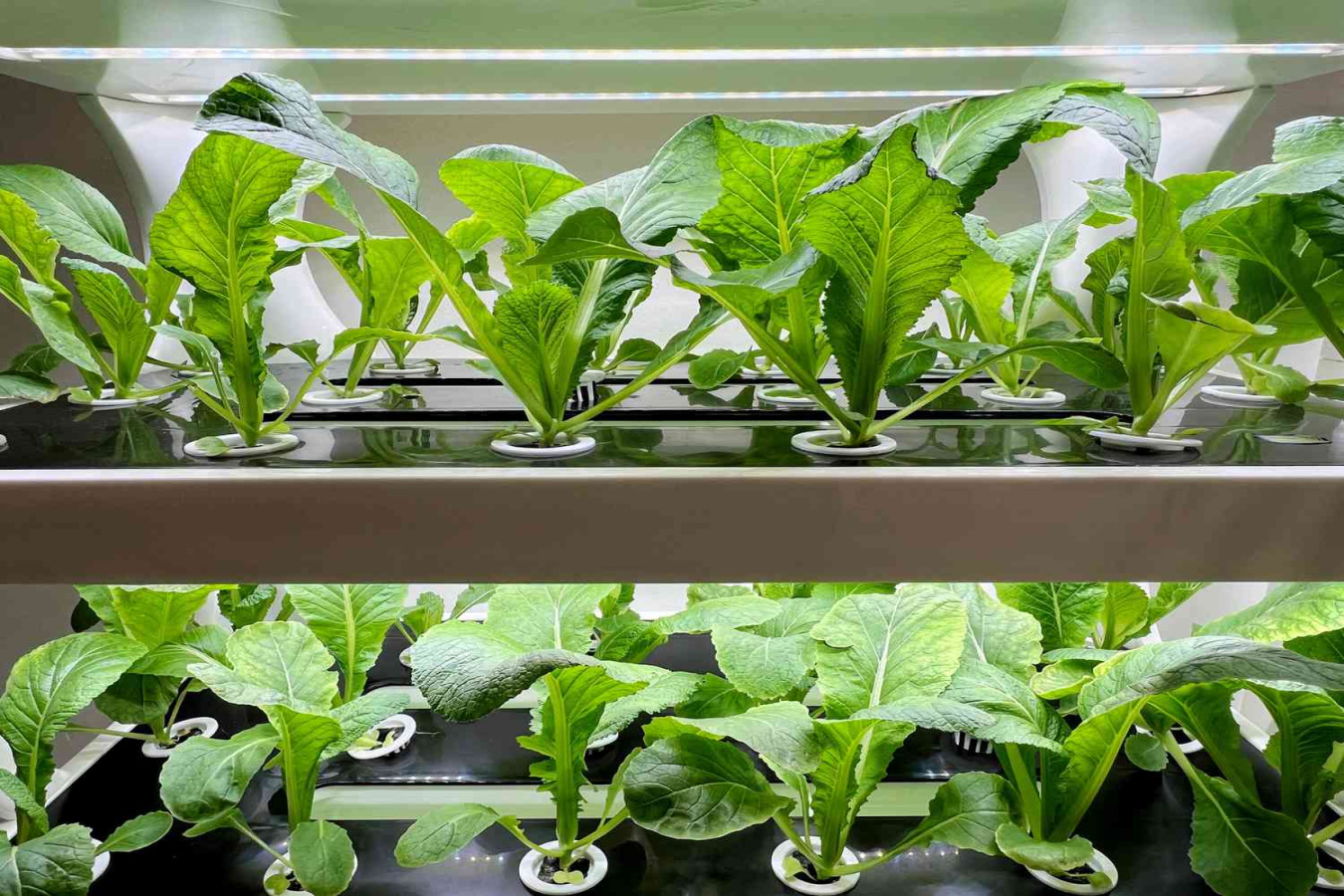
Cultivating a Greener Future with Hydroponics
In a world where environmental consciousness is on the rise, finding sustainable ways to grow plants has become a top priority for many. One of the most innovative and eco-friendly methods of plant cultivation is through hydroponics. This soil-less growing technique not only produces healthier and more abundant crops but also helps to conserve water and reduce the carbon footprint of agriculture.
Hydroponics is a method of growing plants without soil, using nutrient-rich water solutions instead. This method allows for more precise control over the plant’s environment, leading to faster growth and higher yields. By eliminating the need for soil, hydroponic systems can be set up virtually anywhere, making it a versatile and efficient option for urban farming and indoor gardening.
One of the primary benefits of hydroponics is its sustainability. Traditional farming methods rely heavily on the use of pesticides and fertilizers, which can be harmful to the environment. Hydroponic systems, on the other hand, use significantly less water and can recirculate nutrients, reducing waste and pollution. By cultivating plants hydroponically, we can help to conserve natural resources and protect the planet for future generations.
Another advantage of hydroponics is its ability to produce healthier and more nutritious crops. Without the presence of soil-borne diseases and pests, plants grown hydroponically are less likely to require chemical treatments, resulting in cleaner and safer produce. Additionally, the controlled environment of hydroponic systems allows for optimal nutrient absorption, leading to higher levels of vitamins and minerals in the harvested plants.
In addition to its environmental and health benefits, hydroponics also offers economic advantages. By maximizing space and resources, hydroponic farming can yield higher profits for growers. With the ability to grow crops year-round and in any climate, hydroponics provides a consistent and reliable source of income for farmers. This sustainable method of cultivation also reduces the need for costly inputs like pesticides and fertilizers, leading to long-term cost savings.
Hydroponics is not only beneficial for commercial growers but also for home gardeners looking to cultivate their own fresh produce. With the availability of compact and user-friendly hydroponic kits, anyone can try their hand at growing greens on their kitchen counter or balcony. This hands-on approach to gardening not only provides a sense of accomplishment but also encourages a deeper connection to the food we eat.
As we look towards a greener future, the adoption of hydroponics as a method of plant cultivation is becoming increasingly important. By embracing this sustainable and innovative growing technique, we can reduce the environmental impact of agriculture, promote healthier eating habits, and support local food production. Whether you’re a seasoned farmer or a novice gardener, hydroponics offers a fun and rewarding way to grow your own greenery and contribute to a more sustainable world.
Blooming Benefits of Hydroponic Plant Growth
In the world of agriculture, hydroponics has been making waves as a sustainable and efficient method of plant cultivation. By growing plants in a nutrient-rich water solution rather than soil, hydroponics offers a range of benefits for both the environment and the grower. From increased yields to reduced water usage, the advantages of hydroponic plant growth are truly blooming.
One of the key benefits of hydroponics is its ability to maximize plant growth and yield. By providing plants with a precise balance of nutrients and water directly to their roots, hydroponic systems can promote faster and healthier growth. This means that growers can produce more crops in a smaller space, making hydroponics an ideal solution for those looking to maximize their production.
In addition to increased yields, hydroponic plant cultivation also offers the advantage of water efficiency. Traditional soil-based farming methods can be incredibly water-intensive, with much of the water being lost to runoff or evaporation. In contrast, hydroponic systems recirculate water, allowing growers to use up to 90% less water than traditional methods. This not only helps to conserve water, but also reduces the strain on local water sources.
Another significant benefit of hydroponics is its ability to control and eliminate pests and diseases. Because plants are not grown in soil, many of the common pests and diseases that affect traditional crops are not present in hydroponic systems. This means that growers can significantly reduce the need for pesticides and other chemical treatments, creating a cleaner and more sustainable growing environment.
Furthermore, hydroponic plant cultivation offers the advantage of faster growth and maturation times. Without the need to expend energy searching for nutrients in the soil, plants grown hydroponically can focus their energy on growth and development. This can result in faster maturation times, allowing growers to harvest their crops sooner and increase their overall productivity.
Beyond the benefits for growers, hydroponic plant cultivation also has positive implications for the environment. By reducing water usage and eliminating the need for chemical pesticides, hydroponics can help to minimize the environmental impact of agriculture. Additionally, because hydroponic systems can be set up indoors or in controlled environments, they can be used in urban areas or regions with limited arable land, helping to reduce the need for deforestation and land conversion.
In conclusion, the benefits of hydroponic plant growth are truly blooming. From increased yields and water efficiency to pest and disease control, hydroponics offers a sustainable and efficient method of plant cultivation. By harnessing the power of nutrient-rich water solutions, growers can produce healthier crops in a more environmentally friendly way. As we continue to strive for a greener future, hydroponics will undoubtedly play a key role in shaping the future of agriculture.