Unveiling the Mysterious Black Turmeric Plant
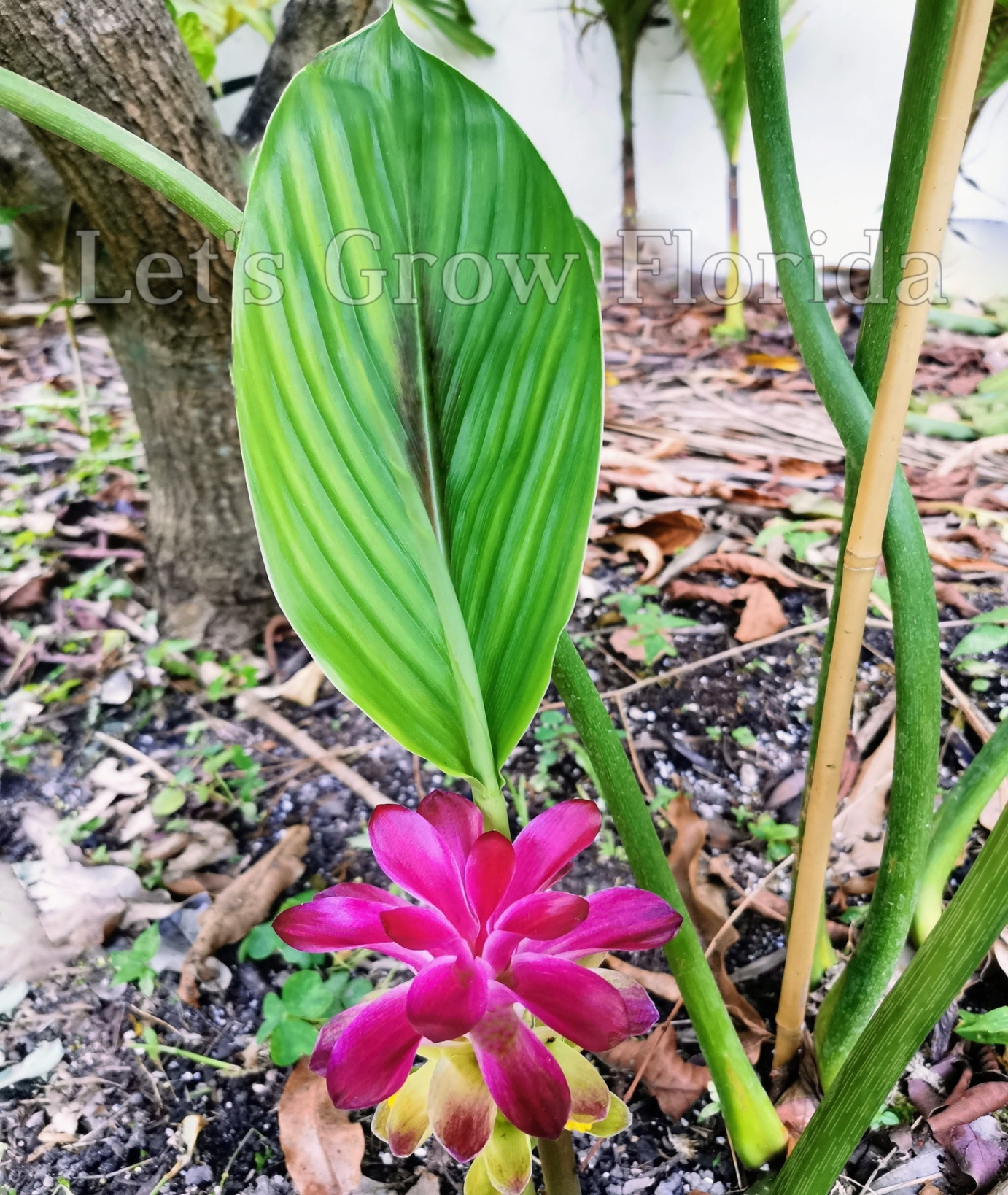
The Black Turmeric plant, scientifically known as Curcuma caesia, is a rare and enigmatic species that has captured the attention of plant enthusiasts around the world. With its striking dark purple-black rhizomes and vibrant green leaves, this plant is truly a sight to behold in any garden or indoor space. In this guide, we will explore the beauty of the Black Turmeric plant and provide tips on how to grow and care for this unique plant.
The Beauty of Curcuma Caesia
The Black Turmeric plant is known for its distinctive appearance, with deep purple-black rhizomes that are used for both culinary and medicinal purposes. The plant’s leaves are a rich green color, providing a beautiful contrast to the dark rhizomes. When in bloom, the Black Turmeric plant produces stunning pink and white flowers that add a touch of elegance to any garden.
One of the most appealing aspects of the Black Turmeric plant is its versatility. Whether grown in a pot indoors or planted in a garden bed outdoors, this plant thrives in a variety of environments. Its unique color and striking appearance make it a conversation piece in any setting, attracting attention from visitors and passersby alike.
Growing Curcuma Caesia
Growing Curcuma caesia can be a rewarding experience for both novice and experienced gardeners. This plant prefers a warm, humid climate and thrives in partial shade. When planting Black Turmeric, be sure to choose a well-draining soil mix that is rich in organic matter. The rhizomes should be planted just below the surface of the soil, with the eyes facing upwards.
Water the plant regularly, keeping the soil evenly moist but not waterlogged. During the growing season, fertilize the Black Turmeric plant with a balanced fertilizer to promote healthy growth and blooming. As the plant matures, you may notice new shoots emerging from the rhizomes, which can be divided to create new plants.
Caring for Curcuma Caesia
Caring for the Black Turmeric plant is relatively low maintenance, making it an ideal choice for busy gardeners. Keep the plant well-watered during the growing season, but allow the soil to dry out slightly between waterings. In colder climates, the plant can be brought indoors during the winter months to protect it from frost.
Regularly inspect the plant for signs of pests or diseases, such as aphids or fungal infections. If any issues are detected, treat the plant promptly with an appropriate insecticide or fungicide to prevent further damage. Pruning the plant occasionally can help to promote new growth and keep it looking tidy.
Conclusion
The Black Turmeric plant is a truly unique and enigmatic species that adds a touch of mystery and beauty to any garden or indoor space. With its striking dark purple-black rhizomes and vibrant green leaves, this plant is sure to capture the attention of all who see it. By following the tips outlined in this guide, you can successfully grow and care for the Black Turmeric plant, creating a stunning centerpiece for your home or garden.
Discover the Secrets to Growing Curcuma Caesia
Welcome to the enchanting world of Curcuma Caesia, also known as black turmeric. This mysterious and exotic plant is a true gem in the realm of herbal gardening, offering not only beauty but also a myriad of health benefits. In this guide, we will delve into the secrets of growing and caring for this enigmatic plant, unlocking the potential for a thriving garden filled with the allure of Curcuma Caesia.
Native to the Eastern Himalayas, Curcuma Caesia is a perennial herb that belongs to the ginger family. It is characterized by its striking dark purple to black rhizomes, with contrasting bright green leaves and delicate purple flowers that bloom in the summer months. The plant thrives in warm, humid climates and prefers well-drained soil rich in organic matter.
To start your journey in growing Curcuma Caesia, it is essential to select a suitable location for planting. Choose a spot in your garden that receives partial shade, as the plant does not tolerate direct sunlight well. The soil should be loamy and well-draining, with a pH level between 6.5 and 7.5. Prepare the soil by adding compost or well-rotted manure to improve fertility and drainage.
Plant the rhizomes of Curcuma Caesia in the early spring, spacing them at least 8-10 inches apart to allow room for growth. Ensure that the rhizomes are planted horizontally, with the buds facing upwards and the roots facing downwards. Cover the rhizomes with a thin layer of soil, and water thoroughly to settle the roots.
Once planted, Curcuma Caesia requires regular watering to keep the soil evenly moist but not waterlogged. During the growing season, apply a balanced fertilizer every 4-6 weeks to promote healthy growth and flowering. Mulch around the base of the plant to retain moisture and suppress weeds.
As the plant matures, you may notice the emergence of new shoots and leaves, signaling its growth and vitality. Curcuma Caesia is a slow-growing plant, so be patient and allow it to establish itself in its new environment. To encourage flowering, deadhead spent blooms and remove any yellowing or damaged leaves.
In the winter months, when the plant goes dormant, reduce watering to prevent root rot. Protect Curcuma Caesia from frost by covering it with a layer of mulch or moving it indoors to a sheltered location. With proper care and attention, your black turmeric plant will reward you with a stunning display of flowers in the following year.
In addition to its ornamental value, Curcuma Caesia is also prized for its medicinal properties. The rhizomes of the plant contain curcumin, a potent antioxidant with anti-inflammatory and anti-cancer properties. Black turmeric is used in traditional Ayurvedic medicine to treat a variety of ailments, including arthritis, indigestion, and respiratory disorders.
To harvest the rhizomes of Curcuma Caesia, wait until the plant has reached maturity, typically after 8-10 months of growth. Carefully dig up the rhizomes using a garden fork, being careful not to damage the roots. Wash the rhizomes thoroughly to remove any soil, and allow them to dry in a well-ventilated area.
Once dried, the rhizomes can be used fresh or powdered for culinary and medicinal purposes. Black turmeric adds a unique flavor and color to dishes, and its health benefits make it a valuable addition to your herbal arsenal. Experiment with incorporating Curcuma Caesia into your cooking and wellness routines to unlock its full potential.
In conclusion, growing and caring for Curcuma Caesia is a rewarding experience that allows you to connect with the beauty and mystique of the black turmeric plant. By following the tips and guidelines provided in this guide, you can cultivate a thriving garden filled with the enchanting allure of Curcuma Caesia. Embrace the magic of this exotic herb and enjoy the many benefits it brings to your life and well-being.