Unveiling the Enchanting Beauty of the Buttonbush Plant
In the world of flora, there is a plant that stands out for its unique beauty and charm – the Buttonbush plant. Also known as Cephalanthus occidentalis, this stunning shrub can be found in wetlands, swamps, and along riverbanks throughout North America. Its distinctive spherical flowers, glossy leaves, and enticing fragrance make it a favorite among gardeners and nature enthusiasts alike.
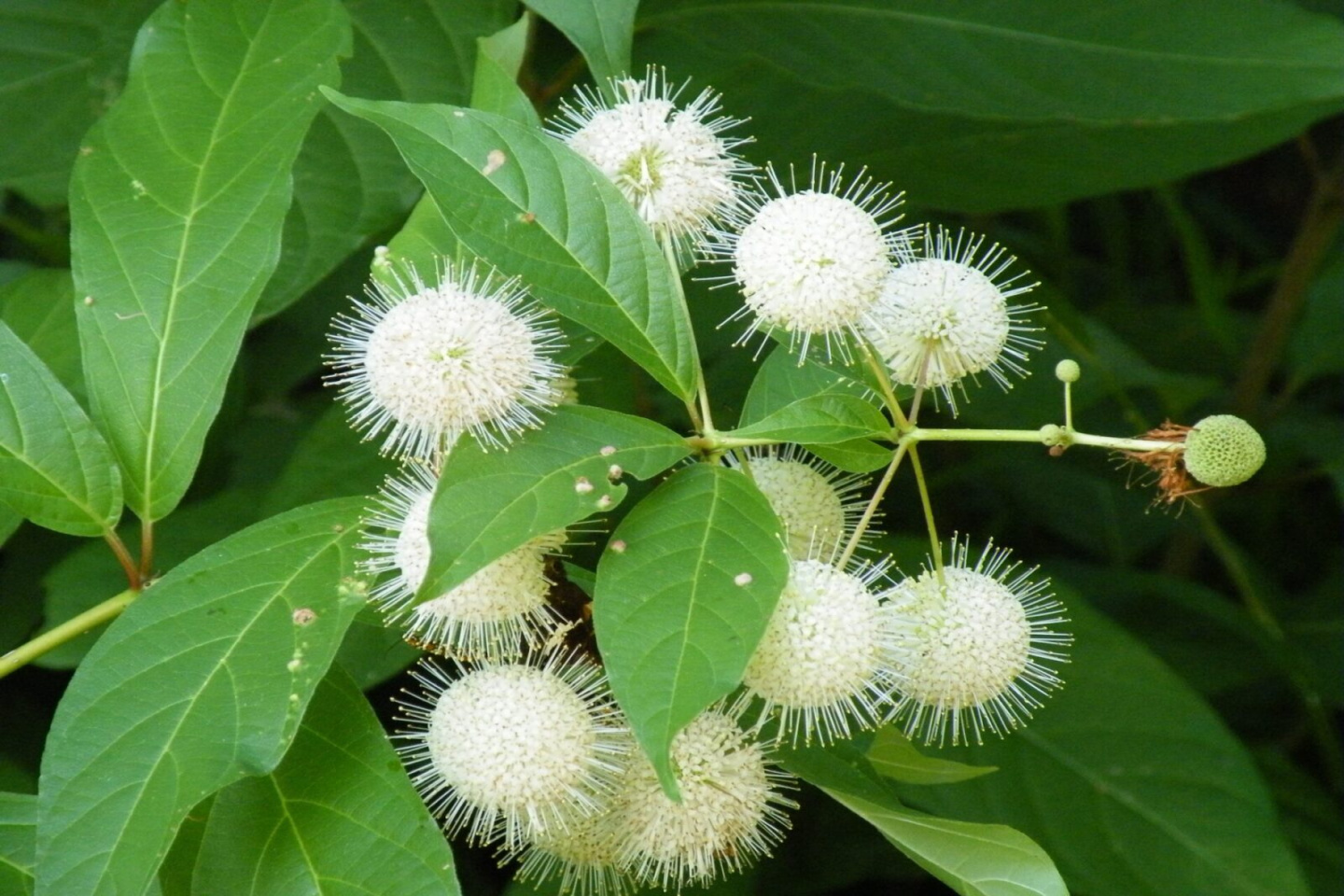
The Buttonbush plant is a true showstopper when it comes to its appearance. Its round, ball-like flowers are a striking feature that instantly catches the eye. These fluffy white blooms are made up of tiny individual flowers clustered together, creating a mesmerizing effect that resembles a miniature fireworks display. The flowers are not only visually appealing but also highly fragrant, attracting bees, butterflies, and other pollinators to the garden.
Aside from its captivating flowers, the Buttonbush plant boasts glossy, dark green leaves that provide a beautiful backdrop to the blooms. The leaves are oval-shaped and arranged in an opposite pattern along the stems, giving the plant a symmetrical and balanced look. In the fall, the foliage of the Buttonbush plant turns a vibrant shade of yellow, adding a pop of color to the autumn landscape.
One of the most enchanting qualities of the Buttonbush plant is its ability to thrive in wet or waterlogged soils. This makes it an excellent choice for planting in rain gardens, near ponds or streams, or in any low-lying area of the garden that tends to stay moist. The plant’s roots are adept at absorbing excess water, helping to prevent erosion and improve water quality in aquatic habitats.
In addition to its aesthetic appeal, the Buttonbush plant also plays a vital role in supporting local wildlife. The nectar-rich flowers attract a wide variety of pollinators, including bees, butterflies, and hummingbirds, who rely on the plant for food. The seeds of the Buttonbush plant are a favorite snack for waterfowl and other birds, making it a valuable food source for wildlife throughout the year.
Caring for a Buttonbush plant is relatively easy, as long as you provide it with the right growing conditions. Plant it in a sunny or partially shaded location with moist, well-draining soil for best results. Regular watering is essential, especially during periods of drought, to keep the plant healthy and thriving. Pruning can be done in the early spring to maintain a tidy appearance and encourage new growth.
In conclusion, the Buttonbush plant is a truly remarkable addition to any garden or landscape. Its enchanting beauty, vibrant colors, and ecological value make it a standout choice for both experienced gardeners and beginners alike. So, why not bring a touch of blooming brilliance to your outdoor space with the Buttonbush plant?
Discover the Delicate Charm and Vibrant Colors of Buttonbush
Nestled along the edges of ponds, streams, and wetlands, the Buttonbush plant stands out with its delicate charm and vibrant colors. This native North American shrub is a favorite among gardeners and nature enthusiasts alike for its unique characteristics and stunning beauty.
The Buttonbush, also known as Cephalanthus occidentalis, is a deciduous shrub that can grow up to 12 feet tall. Its glossy green leaves provide a beautiful backdrop for the plant’s spherical flower clusters, which bloom in mid to late summer. These clusters are made up of tiny, tubular white flowers that attract a variety of pollinators, including bees, butterflies, and hummingbirds.
One of the most striking features of the Buttonbush plant is its unusual flower shape. The flowers are arranged in tight, ball-shaped clusters that resemble small, white pins. This distinct shape gives the plant its common name, as the flower clusters look like tiny buttons nestled among the leaves.
In addition to its unique appearance, the Buttonbush plant also offers a range of benefits for the environment. The flowers are a valuable source of nectar for pollinators, helping to support local ecosystems and promote biodiversity. The shrub’s dense foliage provides shelter and nesting sites for birds, while its roots help to stabilize soil along waterways and prevent erosion.
But it’s not just wildlife that benefits from the Buttonbush plant – gardeners and landscapers can also enjoy the many advantages this shrub has to offer. Its compact size and attractive appearance make it a versatile addition to any garden or landscape design. Whether planted along the edge of a pond or as a focal point in a mixed border, the Buttonbush plant adds a touch of elegance and color to any outdoor space.
The Buttonbush plant is also relatively easy to care for, making it a low-maintenance option for gardeners of all skill levels. It thrives in moist, well-drained soil and can tolerate a range of light conditions, from full sun to partial shade. Regular pruning can help to maintain the shrub’s shape and promote healthy growth, while occasional watering during dry periods will ensure that it continues to thrive.
In terms of color, the Buttonbush plant truly shines. In addition to its white flowers, the shrub’s glossy green leaves turn a vibrant shade of red in the fall, adding a splash of color to the autumn landscape. This seasonal transition only adds to the plant’s overall appeal, making it a year-round favorite among gardeners and nature lovers.
Whether you’re looking to attract pollinators, add visual interest to your garden, or simply enjoy the beauty of nature, the Buttonbush plant has something to offer. Its delicate charm, vibrant colors, and unique characteristics make it a standout choice for any outdoor space. So why not discover the beauty and brilliance of the Buttonbush plant for yourself?