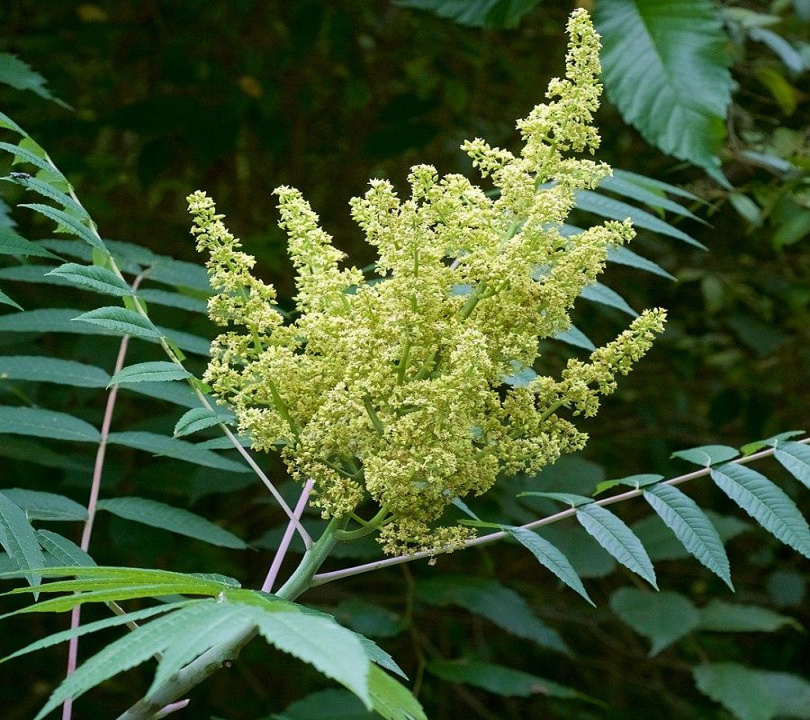
The Sumac Superstar: A Resilient and Vibrant Addition to Your Garden!
When it comes to adding a pop of color and resilience to your garden, look no further than the Sumac plant. This superstar of the plant world is not only vibrant and beautiful, but it is also incredibly resilient and easy to care for. Whether you are a seasoned gardener or just starting out, the Sumac plant is a great addition to any garden.
The Sumac plant, also known as Rhus, is a genus of flowering plants that are native to regions all over the world. They are known for their vibrant red, orange, and yellow leaves that add a burst of color to any garden. The most common species of Sumac are the Staghorn Sumac and the Smooth Sumac, both of which are popular choices for gardeners looking to add some color to their landscape.
One of the reasons why the Sumac plant is such a superstar in the garden is because of its resilience. This plant is incredibly hardy and can thrive in a variety of soil types and climates. It is drought-tolerant and can withstand harsh conditions, making it a great choice for gardens that may not receive consistent watering or care.
When it comes to caring for your Sumac plant, there are a few key things to keep in mind. First and foremost, make sure to plant your Sumac in well-draining soil that receives plenty of sunlight. These plants thrive in full sun and will not do well in shady or damp conditions.
Watering your Sumac plant is also important, especially during the hot summer months. While these plants are drought-tolerant, they will still need regular watering to stay healthy and vibrant. Make sure to water your Sumac plant deeply and infrequently, allowing the soil to dry out between waterings.
Another important aspect of caring for your Sumac plant is pruning. While Sumac plants are relatively low-maintenance, they will benefit from occasional pruning to help shape and control their growth. Prune your Sumac plant in the late winter or early spring before new growth begins to appear.
In addition to regular watering and pruning, it is also important to fertilize your Sumac plant to help promote healthy growth. Use a balanced fertilizer in the spring and summer months to help encourage vibrant foliage and strong root development.
Overall, the Sumac plant is a resilient and vibrant addition to any garden. Whether you are looking to add a pop of color to your landscape or simply want a low-maintenance plant that will thrive with minimal care, the Sumac plant is a great choice. So why wait? Add a Sumac plant to your garden today and enjoy the beauty and resilience of this superstar plant.
Growing and Thriving: Tips and Tricks for Caring for Your Sumac Plant
The resilient Rhus, commonly known as the sumac plant, is a true superstar in the world of gardening. With its vibrant foliage and ability to thrive in various conditions, it is a must-have addition to any garden. But to ensure that your sumac plant reaches its full potential, proper care and maintenance are essential. In this guide, we will explore some tips and tricks to help you grow and care for your sumac plant.
First and foremost, it is important to choose the right location for your sumac plant. Sumacs thrive in full sun to partial shade, so make sure to plant them in an area that receives plenty of sunlight. Additionally, sumacs prefer well-draining soil, so be sure to choose a planting spot with good drainage.
Once you have selected the perfect location for your sumac plant, it is time to plant it. Dig a hole that is twice as wide and just as deep as the root ball of the plant. Place the plant in the hole and backfill with soil, making sure to water thoroughly after planting. Sumacs are drought-tolerant once established, but they still require regular watering during the first growing season.
One of the key factors in caring for your sumac plant is pruning. Sumacs are fast-growing plants that can become quite large if not pruned regularly. It is best to prune your sumac plant in late winter or early spring before new growth begins. Remove any dead or damaged branches, as well as any suckers that may be growing at the base of the plant.
Another important aspect of caring for your sumac plant is fertilizing. Sumacs are light feeders, so they do not require heavy fertilization. In fact, too much fertilizer can actually harm the plant. A balanced, slow-release fertilizer applied in the spring is usually sufficient to keep your sumac plant healthy and thriving.
In addition to proper pruning and fertilizing, it is also important to watch out for pests and diseases that may affect your sumac plant. One common pest that can attack sumacs is the sumac aphid. These tiny insects feed on the sap of the plant, causing leaves to curl and turn yellow. To control aphids, simply spray the plant with a strong stream of water or apply an insecticidal soap.
Diseases such as powdery mildew and verticillium wilt can also affect sumac plants. Powdery mildew appears as a white, powdery substance on the leaves, while verticillium wilt causes wilting and yellowing of the leaves. To prevent these diseases, make sure to plant your sumac in a location with good air circulation and avoid overhead watering.
Despite the potential challenges of caring for a sumac plant, the rewards are well worth it. Sumacs are incredibly resilient plants that can thrive in a variety of conditions. With proper care and maintenance, your sumac plant will reward you with vibrant foliage, beautiful flowers, and even attract pollinators to your garden.
So, if you are looking to add a touch of vibrancy and resilience to your garden, consider growing and caring for a sumac plant. With the tips and tricks outlined in this guide, you will be well on your way to enjoying the beauty and benefits of this incredible plant. Happy gardening!