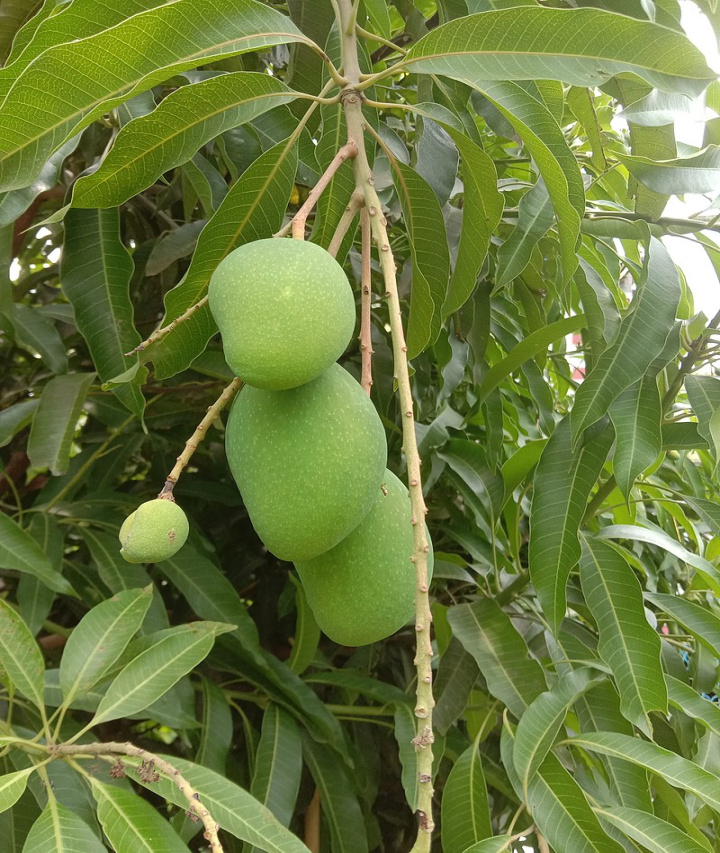
Behold the Marvelous Mango Plant!
The mango plant, known scientifically as Mangifera indica, is truly a marvel of nature. This tropical fruit tree is not only beautiful to look at, with its glossy green leaves and vibrant orange fruit, but it also produces some of the most delicious and sought-after fruits in the world. In this guide, we will explore the wonders of the mango plant, from growing and caring for your own tree to harvesting and enjoying the sweet and juicy fruits it produces.
The mango plant is native to South Asia, specifically India and Myanmar, where it has been cultivated for thousands of years. It belongs to the Anacardiaceae family, which also includes cashew and pistachio trees. Mango trees can grow up to 100 feet tall in their natural habitat, but when cultivated, they are usually kept at a more manageable height of around 30 to 40 feet. The trees have a dense, rounded canopy of leaves that provide ample shade and protection for the delicate fruits that hang from their branches.
One of the most fascinating aspects of the mango plant is its ability to produce fruit. The mango tree typically begins to bear fruit after around four to six years of growth, depending on the variety and growing conditions. The fruits themselves are large, oval-shaped drupes that can weigh anywhere from a few ounces to several pounds. They have a smooth, thin skin that can range in color from green to red to yellow, depending on the variety and ripeness of the fruit.
Growing your own mango plant can be a rewarding and enjoyable experience. To start, you will need a sunny location with well-draining soil and plenty of space for the tree to grow. Mango trees are tropical plants that thrive in warm, humid climates, so if you live in a cooler or drier region, you may need to take extra precautions to protect your tree from the elements. Plant your mango tree in a location where it will receive full sun for most of the day, and water it regularly to keep the soil moist but not waterlogged.
Caring for your mango plant involves regular pruning to maintain its shape and encourage fruit production. You can also fertilize your tree once a year with a balanced fertilizer to promote healthy growth. Keep an eye out for pests and diseases that can affect mango plants, such as aphids, mealybugs, and powdery mildew, and take appropriate measures to prevent or treat them as needed.
Harvesting mangoes is a joyous occasion that marks the culmination of months of care and patience. Mangoes are typically ready to harvest when they are fully ripe and have developed a sweet, fruity aroma. You can tell if a mango is ripe by gently squeezing it – if it gives slightly under pressure, it is ready to be picked. Use a sharp knife to cut the fruit from the tree, taking care not to damage the stem or surrounding fruit.
Once you have harvested your mangoes, you can enjoy them fresh or use them in a variety of culinary creations, from smoothies and salads to chutneys and desserts. The possibilities are endless when it comes to cooking with mangoes, so don’t be afraid to get creative and experiment with different recipes and flavor combinations.
In conclusion, the mango plant is truly a marvelous and versatile fruit tree that can bring beauty and bounty to any garden. By following the tips and guidelines outlined in this guide, you can successfully grow and harvest your own delicious mangoes, creating a source of fresh, healthy fruit for you and your loved ones to enjoy. So go ahead, plant a mango tree and behold the wonders of this magnificent tropical plant!
The Ultimate Guide to Growing Mangos
Mangos are truly a marvelous fruit, known for their deliciously sweet and juicy flesh. But did you know that you can actually grow your own mango plant right in your own backyard? It may seem like a daunting task, but with the right knowledge and care, you can successfully grow your own mango tree and enjoy the fruits of your labor.
To start growing your own mango plant, you’ll need to begin with a healthy mango seed. Choose a ripe mango from the grocery store, and carefully remove the seed from the fruit. Clean off any excess flesh and allow the seed to dry for a few days. Once the seed is dry, you can plant it in a pot with well-draining soil, making sure to keep it moist but not waterlogged.
Mango plants thrive in warm, tropical climates, so it’s important to provide your plant with plenty of sunlight and warmth. If you live in a cooler climate, consider growing your mango plant in a greenhouse or indoors near a sunny window. Make sure to water your plant regularly, but be careful not to overwater as this can lead to root rot.
As your mango plant grows, you may need to provide support for the branches to prevent them from breaking under the weight of the fruit. You can use stakes or ties to help support the branches and encourage healthy growth. Prune your mango plant regularly to remove dead or diseased branches and promote new growth.
One of the most important factors in growing a successful mango plant is fertilization. Mango plants require regular feeding to ensure healthy growth and fruit production. Use a balanced fertilizer with equal parts nitrogen, phosphorus, and potassium to promote strong, healthy growth. Fertilize your mango plant every 2-3 months during the growing season, and water thoroughly after fertilizing to help the nutrients penetrate the soil.
When it comes time to harvest your mango fruit, it’s important to wait until the fruit is fully ripe before picking. Ripe mangos will have a sweet, fragrant aroma and slightly soft flesh. You can gently twist the fruit off the tree or use a pair of pruning shears to cut it from the branch. Store your harvested mangos at room temperature until they are fully ripe, then refrigerate them to extend their shelf life.
Growing your own mango plant is a rewarding experience that allows you to enjoy the delicious fruits of your labor. With the right care and attention, you can successfully grow a healthy mango tree and harvest an abundance of sweet, juicy mangos. So why not give it a try and start growing your own mango plant today?