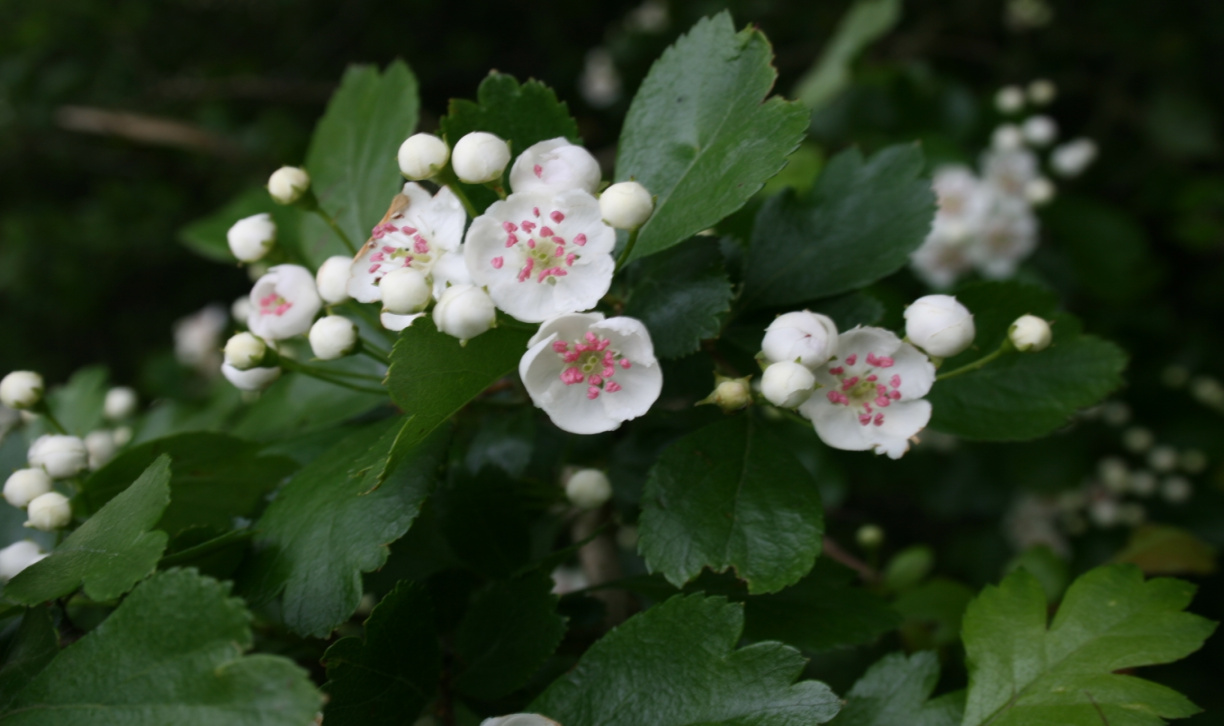
The Enchanting Charm of Crataegus Laevigata
When it comes to adding beauty and elegance to your garden, few plants can rival the enchanting charm of Crataegus Laevigata. Also known as the Midland Hawthorn, this stunning plant is a favorite among gardeners for its delicate flowers, vibrant foliage, and graceful form. In this guide, we will explore the beauty of Crataegus Laevigata and provide tips for growing and caring for this captivating plant.
Native to Europe and Western Asia, Crataegus Laevigata is a deciduous tree or shrub that belongs to the rose family. With its dense, thorny branches and glossy green leaves, it adds a touch of elegance to any garden setting. In spring, the plant bursts into bloom with clusters of fragrant white or pink flowers, attracting bees and butterflies with its sweet nectar. As the season progresses, the flowers give way to small red berries that provide food for birds and other wildlife.
One of the things that sets Crataegus Laevigata apart from other plants is its versatility. Whether you have a small city garden or a sprawling country estate, this plant can thrive in a variety of environments. It is tolerant of a wide range of soil types and can adapt to both full sun and partial shade. With proper care and attention, Crataegus Laevigata can reach heights of up to 20 feet, creating a striking focal point in your landscape.
To grow Crataegus Laevigata successfully, it is important to provide the plant with the right conditions. Plant it in well-drained soil and water regularly, especially during hot, dry periods. Prune the plant in late winter or early spring to remove dead or damaged branches and promote healthy growth. Fertilize the plant once a year with a balanced fertilizer to ensure that it has the nutrients it needs to thrive.
In addition to its beauty, Crataegus Laevigata also has a number of practical benefits. The plant is known for its medicinal properties, with the berries and flowers being used in herbal remedies to treat heart conditions and digestive disorders. In folklore, Crataegus Laevigata is said to bring good luck and protect against evil spirits, making it a popular choice for planting near homes and gardens.
Whether you are a seasoned gardener or a novice, Crataegus Laevigata is a plant that is sure to captivate your imagination. Its enchanting charm and graceful presence make it a timeless addition to any garden, bringing beauty and elegance to your outdoor space. So why not add a touch of magic to your garden with Crataegus Laevigata? With the right care and attention, this stunning plant will reward you with years of beauty and joy.
Cultivating Joy: Tips for Growing Crataegus Laevigata
Crataegus Laevigata, commonly known as the Midland hawthorn, is a stunning plant that can bring beauty and joy to any garden. With its delicate white blossoms and vibrant red berries, this plant is a favorite among gardeners looking to add a touch of elegance to their outdoor space. In this guide, we will explore the best practices for growing and caring for Crataegus Laevigata, so you can enjoy its beauty for years to come.
When it comes to growing Crataegus Laevigata, the first step is to choose the right location. This plant thrives in full sun to partial shade, so be sure to plant it in an area that receives plenty of sunlight. Additionally, Crataegus Laevigata prefers well-drained soil, so make sure to choose a spot with good drainage to prevent root rot.
Once you have found the perfect spot for your Crataegus Laevigata, it’s time to plant it. Dig a hole that is twice as wide and just as deep as the root ball, and gently place the plant in the hole. Fill in the hole with soil, making sure to pack it down firmly around the plant. Water the plant thoroughly after planting to help it settle into its new home.
When it comes to caring for Crataegus Laevigata, regular watering is essential, especially during the plant’s first year of growth. Water the plant deeply once a week, making sure to soak the soil around the roots. Additionally, be sure to mulch around the base of the plant to help retain moisture and suppress weeds.
Pruning is also an important part of caring for Crataegus Laevigata. Prune the plant in late winter or early spring to remove any dead or diseased branches, as well as to shape the plant and encourage new growth. Be sure to use sharp, clean pruning shears to prevent damage to the plant.
In terms of fertilizing, Crataegus Laevigata does not require much additional feeding. A light application of balanced fertilizer in the spring should be sufficient to keep the plant healthy and thriving. Be sure to follow the manufacturer’s instructions when applying fertilizer to avoid overfeeding the plant.
One of the most striking features of Crataegus Laevigata is its beautiful white blossoms, which appear in late spring to early summer. These blossoms not only add beauty to the garden but also attract pollinators such as bees and butterflies. To ensure a healthy bloom, be sure to deadhead the spent flowers regularly to encourage new growth.
Another standout feature of Crataegus Laevigata is its vibrant red berries, which appear in the fall and persist throughout the winter. These berries not only add color to the garden but also provide food for birds and other wildlife. Be sure to leave the berries on the plant throughout the winter to enjoy their beauty and support local wildlife.
In conclusion, growing and caring for Crataegus Laevigata is a rewarding experience that can bring beauty and joy to any garden. By following the tips outlined in this guide, you can ensure that your Crataegus Laevigata thrives and flourishes for years to come. So why wait? Plant a Crataegus Laevigata in your garden today and enjoy the beauty and elegance that this stunning plant has to offer.