Unveiling the Mysteries of the Saffron Plant
When one thinks of luxurious spices, saffron is often at the top of the list. Known for its vibrant color, unique flavor, and high price tag, saffron has been prized for centuries for its culinary and medicinal properties. But what exactly is this exotic spice, and where does it come from? Let’s take a closer look at the saffron plant and unravel the mysteries behind this golden elixir.
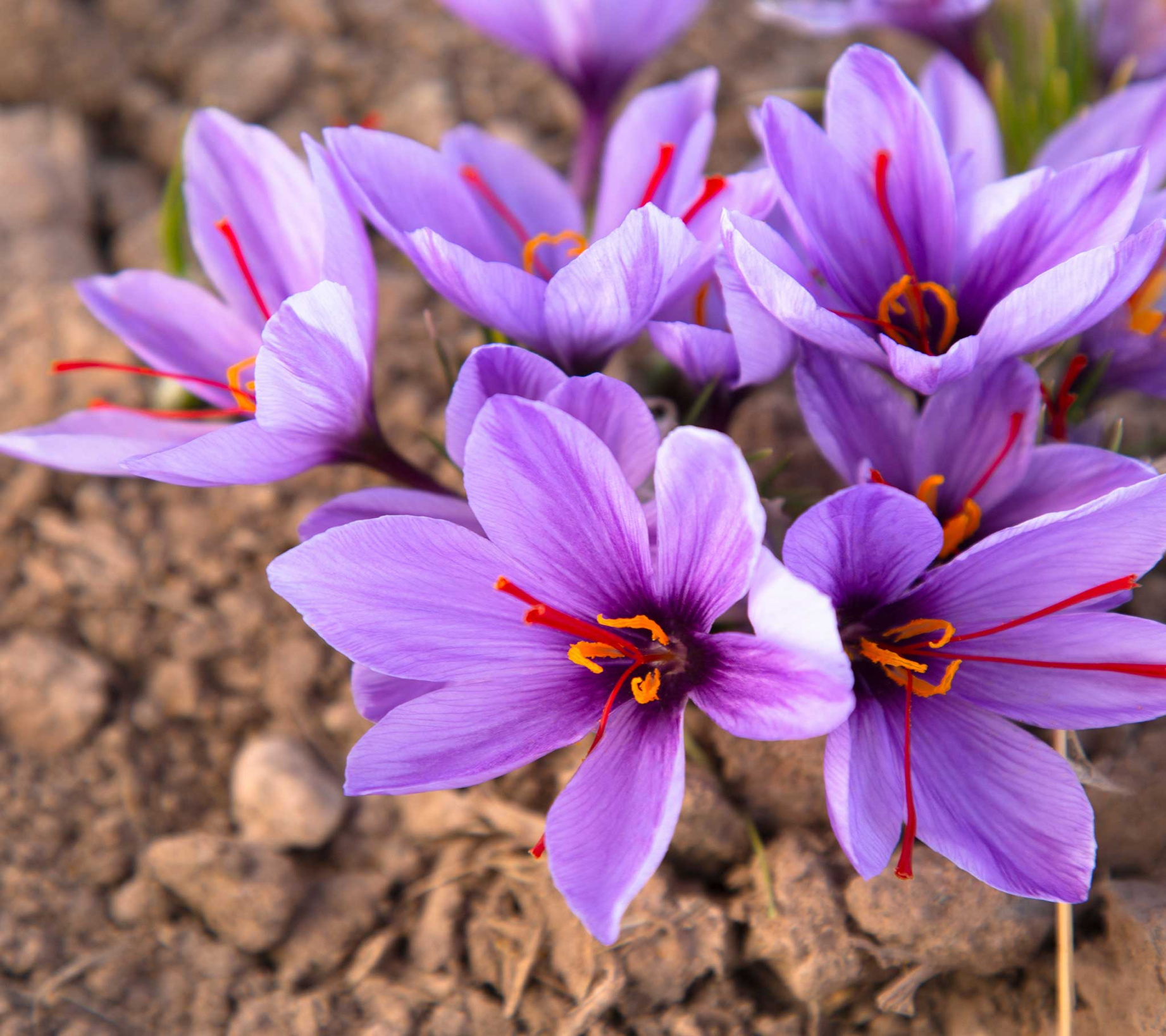
Saffron, known scientifically as Crocus sativus, is a perennial plant that belongs to the iris family. It is native to Southwest Asia and has been cultivated for over 3,500 years. The plant grows up to 8-12 inches tall and produces beautiful purple flowers with three bright red stigmas, which are the prized saffron threads. These threads are hand-picked from the flowers and dried to create the expensive spice we all know and love.
The process of harvesting saffron is labor-intensive and time-consuming, which explains its high price tag. Each flower only produces three stigmas, and it takes thousands of flowers to yield just a single ounce of saffron. The delicate nature of the flowers and the precision required for harvesting make saffron one of the most valuable spices in the world.
But what makes saffron so special? Aside from its vibrant color and unique flavor, saffron is also known for its numerous health benefits. It is rich in antioxidants, vitamins, and minerals, making it a powerful ally in fighting inflammation and oxidative stress. Saffron has also been used in traditional medicine for its antidepressant, anti-anxiety, and anti-inflammatory properties.
In addition to its health benefits, saffron is also a versatile spice that can be used in a variety of dishes. From savory paellas and risottos to sweet desserts and teas, saffron adds a rich and distinct flavor to any recipe. Its subtle floral notes and earthy aroma make it a favorite among chefs and home cooks alike.
But saffron is more than just a spice – it is a symbol of luxury, royalty, and beauty. In ancient times, saffron was used as a dye for clothing, cosmetics, and even as a perfume. It was also believed to have aphrodisiac properties and was used in love potions and rituals. Today, saffron is still associated with wealth and elegance and is often used in high-end cuisine and skincare products.
The cultivation of saffron is also steeped in tradition and history. In countries like Iran, Spain, and India, saffron farming has been passed down through generations, with families carefully tending to their saffron fields and preserving the ancient techniques of harvesting and drying the precious threads. Saffron festivals and celebrations are held annually to honor the plant and its cultural significance.
In conclusion, the saffron plant is a truly remarkable and mysterious herb that has captivated people for centuries. Its vibrant color, unique flavor, and countless health benefits make it a valuable addition to any kitchen. Whether used in cooking, medicine, or beauty products, saffron continues to be a symbol of luxury and sophistication. So the next time you sprinkle some saffron into a dish, take a moment to appreciate the ancient traditions and rich history behind this golden elixir.
Discovering the Magic of the Golden Elixir
In the world of spices and herbs, few hold the same level of mystique and allure as saffron. Known as the Golden Elixir, saffron is a prized spice that has been coveted for centuries for its unique flavor, vibrant color, and numerous health benefits. Let’s take a closer look at this magical plant and uncover the secrets that make it so special.
Saffron is derived from the delicate threads of the Crocus sativus flower, which blooms in the autumn months. Each flower produces only three crimson stigmas, or threads, which must be carefully handpicked and dried to create the spice we know as saffron. It takes thousands of flowers to produce just a single ounce of saffron, making it one of the most expensive spices in the world.
But what makes saffron so special? Beyond its luxurious price tag, saffron is prized for its distinct flavor profile, which is often described as floral, honey-like, and slightly earthy. It adds a subtle yet complex taste to dishes, making it a popular ingredient in both sweet and savory recipes.
In addition to its culinary uses, saffron has a long history of medicinal and therapeutic applications. Ancient cultures believed in the healing properties of saffron, using it to treat everything from depression and anxiety to digestive issues and inflammation. Modern research has confirmed many of these traditional uses, with studies showing that saffron may have antioxidant, anti-inflammatory, and mood-enhancing effects.
One of the most well-known health benefits of saffron is its potential to improve mood and alleviate symptoms of depression. Some studies suggest that saffron may help boost levels of serotonin, a neurotransmitter that plays a key role in regulating mood. This has led to saffron being used as a natural remedy for depression and anxiety, with some people reporting positive effects when taking saffron supplements.
But saffron’s benefits go beyond just mental health. It has also been shown to have anti-inflammatory properties, which may help reduce inflammation in the body and lower the risk of chronic diseases. Saffron is also rich in antioxidants, which can help protect cells from damage and reduce the risk of age-related conditions.
In addition to its health benefits, saffron is also prized for its vibrant color, which can range from a bright golden yellow to a rich orange-red. This makes it a popular ingredient in food and beverages, as it can add a beautiful hue to dishes and drinks. From paella and risotto to teas and cocktails, saffron can be used in a wide variety of culinary creations.
But perhaps the most magical aspect of saffron is the labor-intensive process required to cultivate and harvest it. Each step, from planting the bulbs to handpicking the delicate threads, requires skill, patience, and precision. This hands-on approach is part of what makes saffron so special, as it is truly a labor of love from start to finish.
In conclusion, saffron truly is a magical plant that offers a unique blend of flavor, color, and health benefits. From its rich history and cultural significance to its culinary versatility and therapeutic properties, saffron has earned its reputation as the Golden Elixir. So the next time you sprinkle a pinch of saffron into a dish, take a moment to appreciate the centuries-old tradition and craftsmanship that goes into each precious thread.