Cultivate Colorful Gardens: Mastering Petunia Seed Planting
When it comes to creating a beautiful and vibrant garden, petunias are a popular choice among gardeners. These lovely flowers come in a wide range of colors, from soft pastels to bright and bold hues, making them a versatile addition to any garden. In order to grow healthy and stunning petunias, it is important to master the art of planting their seeds with care.
Petunias are annual flowers that can be easily grown from seeds, making them a cost-effective and rewarding option for gardeners. To start, you will need to gather your supplies, including petunia seeds, potting soil, a container for planting, and water. Begin by filling your container with moistened potting soil, leaving about half an inch of space at the top.
Next, sprinkle the petunia seeds evenly over the surface of the soil. It is important not to bury the seeds too deep, as they require light to germinate. Gently press the seeds into the soil to ensure good seed-to-soil contact. Once the seeds are in place, lightly mist the surface with water to settle them in.
After planting, place your container in a warm and sunny location, as petunias thrive in full sunlight. Keep the soil consistently moist but not waterlogged, as overwatering can lead to root rot. It is also important to provide good air circulation around the plants to prevent mold and mildew.
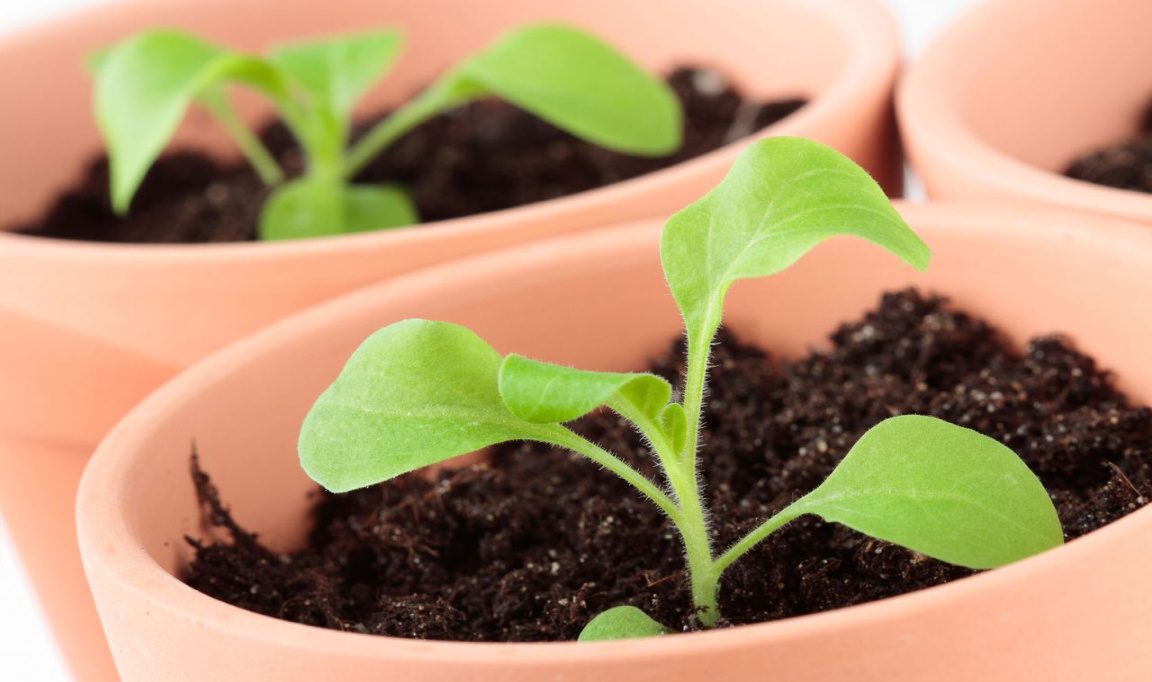
As the seeds begin to germinate, you will start to see tiny seedlings emerge from the soil. At this stage, it is important to thin out the seedlings to prevent overcrowding. Gently remove the weaker seedlings, leaving only the strongest ones to grow.
Once your petunias have grown to a sufficient size, they can be transplanted into your garden or larger containers. When transplanting, be sure to space the plants at least 6 inches apart to allow for proper air circulation and growth. Water the plants thoroughly after transplanting to help them settle into their new home.
Throughout the growing season, be sure to fertilize your petunias regularly to encourage healthy growth and vibrant blooms. A balanced fertilizer high in phosphorus will help promote flower production and overall plant health. Additionally, deadheading spent blooms will encourage the plant to continue blooming throughout the season.
In conclusion, mastering the art of planting petunia seeds with care is essential for growing beautiful and colorful gardens. By following these steps and providing the proper care and attention, you can enjoy a stunning display of petunias in your garden year after year.So roll up your sleeves, grab your gardening gloves, and get ready to cultivate a rainbow of colors with petunias in your garden. Happy planting!
Nurturing Nature’s Beauty: Planting Petunias with Love and Care
Petunias are one of the most beloved flowers in the gardening world, known for their vibrant colors and delicate beauty. To truly bring out the best in these stunning blooms, it is essential to plant petunia seeds with love and care. By nurturing nature’s beauty through thoughtful planting practices, you can create a garden filled with gorgeous petunias that will brighten up your outdoor space.
When it comes to planting petunia seeds, there are a few key steps to keep in mind to ensure that your flowers thrive and bloom to their full potential. First and foremost, it is important to choose a sunny location for your petunias. These flowers love the sun and require at least 6 hours of direct sunlight per day to grow and flourish. By selecting a sunny spot in your garden, you are setting your petunias up for success right from the start.
Next, prepare the soil for planting by ensuring that it is well-draining and nutrient-rich. Petunias prefer soil that is slightly acidic, with a pH level between 5.5 and 6.5. You can amend your soil with compost or organic matter to improve its texture and fertility, providing your petunias with a healthy foundation to grow in. Make sure to loosen the soil to a depth of at least 6 inches to allow for proper root development and drainage.
Once you have selected a sunny location and prepared the soil, it is time to plant your petunia seeds with love and care. Start by sprinkling the seeds evenly over the soil surface, making sure to leave some space between each seed to allow for proper growth. Lightly press the seeds into the soil with your fingers, then cover them with a thin layer of soil to help retain moisture and protect the seeds as they germinate.
Water your petunia seeds gently after planting, making sure to keep the soil consistently moist but not waterlogged. Overwatering can lead to root rot and other issues, so it is important to strike a balance and water your petunias sparingly. As your seeds begin to germinate and grow, continue to water them regularly, checking the soil moisture levels frequently to ensure that they are getting the right amount of hydration.
In addition to proper watering, it is important to provide your petunias with the nutrients they need to thrive. Consider feeding your plants with a balanced fertilizer once a month, following the instructions on the product label for the best results. This will help to promote healthy growth and vibrant blooms, ensuring that your petunias reach their full potential.
As your petunias continue to grow and develop, it is important to monitor them for any signs of pests or diseases. Keep an eye out for common issues such as aphids, snails, and powdery mildew, and take action promptly to address any problems that arise. By staying vigilant and caring for your petunias with love and attention, you can help them stay healthy and beautiful throughout the growing season.
In conclusion, planting petunias with love and care is essential for nurturing nature’s beauty and creating a garden filled with gorgeous blooms. By following these tips and techniques, you can ensure that your petunias thrive and flourish, bringing joy and color to your outdoor space. So roll up your sleeves, grab your gardening gloves, and get ready to plant petunias with love and care – your garden will thank you for it!