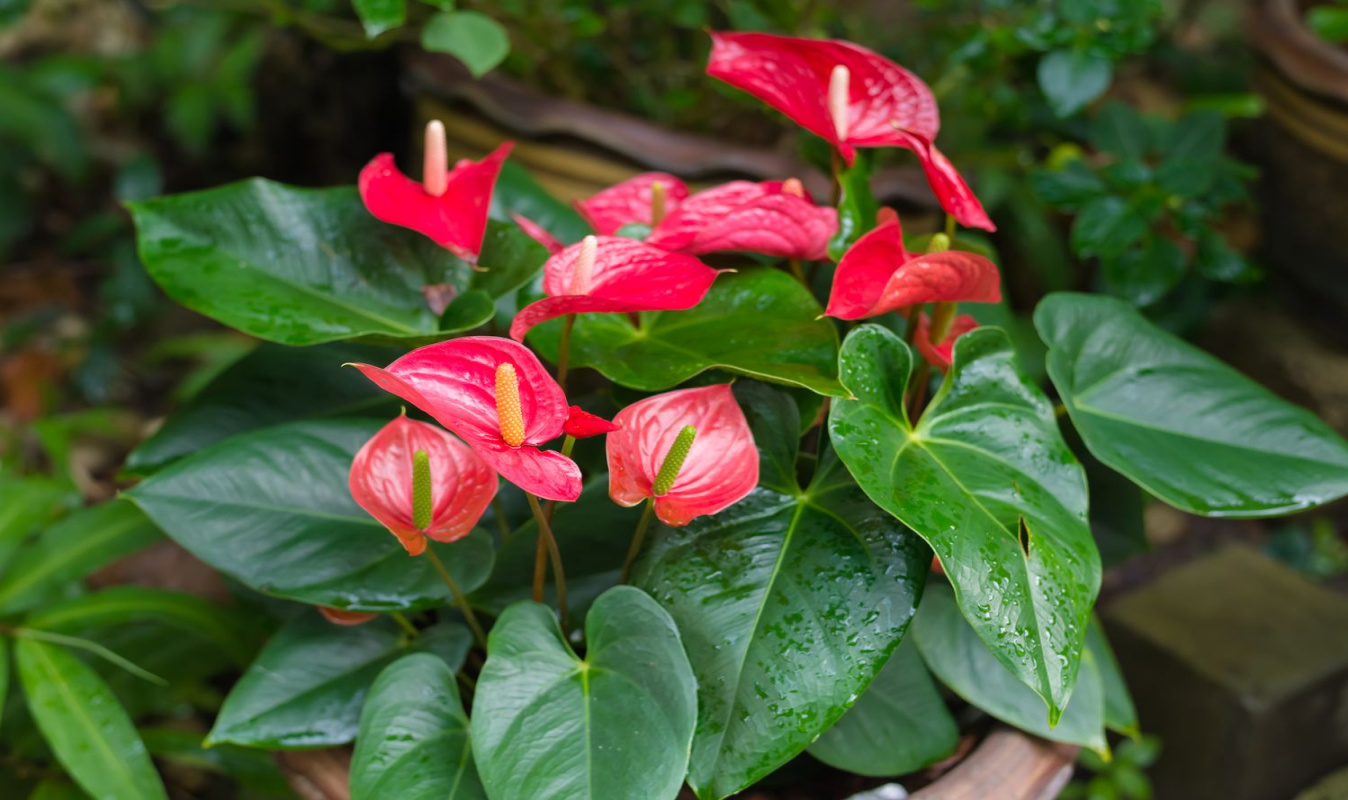
Unveil the Allure of Flamingo Flowers
Flamingo flowers, also known as Anthuriums, are stunning tropical plants that are sure to catch the eye of anyone who sees them. With their glossy, heart-shaped leaves and vibrant, exotic blooms, these plants are a popular choice for those looking to add a touch of beauty and elegance to their indoor or outdoor spaces. But what makes flamingo flowers so special, and how can you ensure that they thrive and flourish in your care? Let’s delve into the allure of these magnificent plants and explore the ins and outs of growing and caring for them.
Flamingo flowers are native to the rainforests of Central and South America, where they thrive in the warm, humid conditions. Their striking blooms come in a variety of colors, including shades of pink, red, white, and even green. The flowers themselves are actually spathes, or modified leaves, that surround the tiny, true flowers at the center. This unique structure is what gives flamingo flowers their distinctive appearance and makes them a favorite among plant enthusiasts.
In order to grow and care for flamingo flowers successfully, it’s important to provide them with the right environment and conditions. These plants thrive in bright, indirect light, so placing them near a window where they can receive plenty of sunlight without being exposed to direct rays is ideal. Flamingo flowers also prefer warm temperatures and high humidity, so it’s important to keep them in a warm, humid location, such as a bathroom or kitchen.
When it comes to watering flamingo flowers, it’s important to strike the right balance. These plants like to be kept consistently moist, but they don’t like to sit in waterlogged soil. Watering them once a week or when the top inch of soil feels dry to the touch is usually sufficient. It’s also important to use a well-draining potting mix to ensure that excess water can drain away easily, preventing the roots from becoming waterlogged.
In addition to providing the right light, temperature, and water, it’s important to fertilize flamingo flowers regularly to ensure that they receive the nutrients they need to thrive. A balanced, water-soluble fertilizer can be applied every two to four weeks during the growing season to help promote healthy growth and vibrant blooms. It’s also important to keep an eye out for pests, such as aphids or spider mites, which can sometimes take up residence on flamingo flowers and cause damage. Regularly inspecting your plants and treating any infestations promptly can help keep them healthy and thriving.
One of the most appealing aspects of flamingo flowers is their long-lasting blooms. With proper care, these plants can continue to produce flowers year-round, brightening up your home or garden with their vibrant colors and exotic beauty. Whether you choose to grow them in a pot indoors or plant them in a garden outdoors, flamingo flowers are sure to be a show-stopping addition to any space.
In conclusion, flamingo flowers are truly a sight to behold, with their glossy leaves and striking blooms. By providing them with the right environment, care, and attention, you can enjoy these beautiful plants for years to come. So why not add a touch of tropical beauty to your home or garden with a stunning flamingo flower plant? Discover the allure of these magnificent blooms and bring a little piece of the rainforest into your world.
Cultivating Gorgeous Blooms: A How-To Guide
Flamingo flowers, also known as Anthuriums, are truly a sight to behold. With their vibrant colors and unique shapes, these stunning blooms can brighten up any room or garden. If you’re looking to add a touch of exotic beauty to your space, then look no further than the flamingo flower plant.
Growing and caring for flamingo flowers may seem intimidating at first, but with the right knowledge and tools, you can easily cultivate these gorgeous blooms in your own home. In this how-to guide, we will explore the steps you need to take to ensure your flamingo flowers thrive and flourish.
First and foremost, it’s important to understand the basic needs of flamingo flowers. These plants require bright, indirect light to thrive, so be sure to place them in a location where they will receive plenty of sunlight without being exposed to direct sunlight. Additionally, flamingo flowers prefer warm temperatures between 65-80 degrees Fahrenheit, so keep them away from drafts or cold spots in your home.
When it comes to watering your flamingo flowers, it’s essential to strike the right balance. These plants like to be kept consistently moist but not waterlogged, so be sure to water them regularly but allow the soil to dry out slightly between waterings. Using a well-draining potting mix can help prevent root rot and other moisture-related issues.
Fertilizing your flamingo flowers is also crucial for their overall health and vitality. During the growing season, which typically runs from spring to fall, you can feed your plants with a balanced liquid fertilizer every 4-6 weeks. However, be sure to dilute the fertilizer to half the recommended strength to avoid burning the roots of your plants.
As your flamingo flowers begin to grow and mature, you may notice that they require some additional care and attention. Pruning is an essential part of maintaining the health and appearance of your plants. Remove any yellowing or dead leaves regularly to encourage new growth and prevent the spread of disease.
Flamingo flowers are also prone to pests such as aphids, mealybugs, and spider mites. Keep an eye out for any signs of infestation, such as sticky residue on the leaves or small webs, and treat the problem promptly with insecticidal soap or neem oil. Regularly inspecting your plants for pests can help prevent serious damage and keep your flamingo flowers looking their best.
When it comes to repotting your flamingo flowers, it’s best to do so every 2-3 years or when the plant has outgrown its current container. Choose a pot that is 1-2 inches larger in diameter than the current one and use fresh potting mix to ensure your plants have plenty of room to grow. Be gentle when repotting to avoid damaging the delicate roots of your flamingo flowers.
In conclusion, cultivating and caring for flamingo flowers can be a rewarding experience for any plant lover. By providing the right conditions, regular maintenance, and a little bit of love, you can enjoy the beauty of these stunning blooms in your home or garden. So go ahead, bring a touch of tropical paradise into your space with the breathtaking beauty of flamingo flowers.