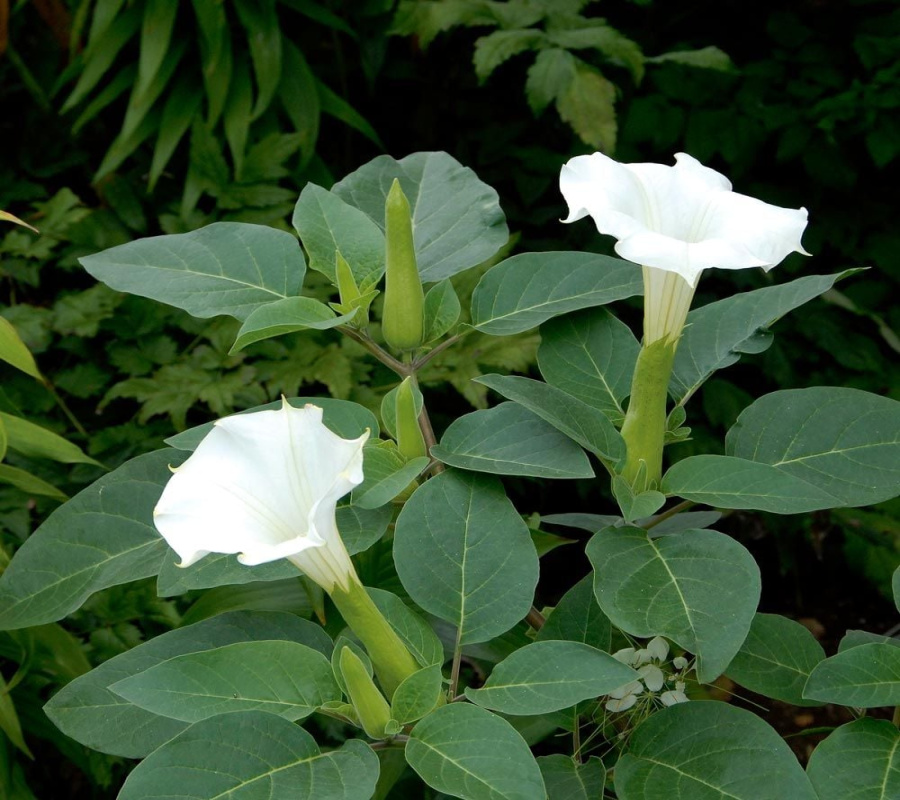
Unveiling the Mysterious Datura Plant
The Datura plant, also known as Devil’s Trumpet or Moonflower, is a fascinating and enigmatic plant that has been shrouded in mystery and danger for centuries. This mystical plant is renowned for its hallucinogenic properties and has been used in various cultures for shamanic rituals, spiritual journeys, and even as a potent poison.
One of the most intriguing aspects of the Datura plant is its psychoactive properties. The plant contains tropane alkaloids such as atropine, hyoscyamine, and scopolamine, which can induce hallucinations, delirium, and even a state of euphoria when ingested. These powerful substances can have profound effects on the mind and body, leading to a sense of heightened awareness and a distorted perception of reality.
In many ancient cultures, the Datura plant was revered for its ability to induce altered states of consciousness and connect individuals to the spirit world. Shamans and medicine men would use the plant in sacred ceremonies to communicate with the gods, seek guidance, and heal the sick. The plant was seen as a gateway to the divine, a tool for unlocking hidden knowledge, and a means of transcending the limitations of the physical world.
However, the Datura plant is not without its dangers. While it may offer profound spiritual experiences, it can also lead to severe poisoning, psychotic episodes, and even death if consumed in excessive amounts. The plant’s toxic properties can cause a range of symptoms such as dilated pupils, rapid heartbeat, dry mouth, and confusion, making it a risky substance to experiment with.
Despite its dangers, the Datura plant continues to captivate and intrigue people around the world. Its alluring blooms, trumpet-shaped flowers, and intoxicating scent make it a popular ornamental plant in gardens and landscapes. Many people are drawn to the plant’s mysterious aura and are willing to brave its risks in search of spiritual enlightenment and transcendental experiences.
In addition to its psychoactive properties, the Datura plant has also been used for its medicinal benefits. The plant has been traditionally used to treat various ailments such as asthma, insomnia, and pain, due to its sedative and analgesic properties. However, the plant’s toxicity makes it a risky option for medical use, and caution should be exercised when using it for therapeutic purposes.
In conclusion, the Datura plant is a truly enigmatic and dangerous plant that has captured the imagination of people for centuries. Its mystical properties, hallucinogenic effects, and toxic nature make it a complex and intriguing subject of study. While the plant may hold the key to unlocking hidden truths and expanding consciousness, it also poses significant risks to those who dare to explore its mysteries. Whether viewed as a sacred tool for spiritual enlightenment or a deadly poison, the Datura plant remains a potent symbol of the thin line between magic and danger in the natural world.
Exploring the Intriguing Powers of Datura
The Datura plant, also known as jimsonweed or devil’s trumpet, is a mystical and dangerous plant that has been shrouded in mystery for centuries. Its enigmatic properties have fascinated botanists, herbalists, and spiritual seekers alike, drawing them in with its alluring yet deadly allure. Let’s take a closer look at the intriguing powers of this captivating plant.
One of the most fascinating aspects of the Datura plant is its psychoactive properties. The plant contains potent alkaloids such as atropine, scopolamine, and hyoscyamine, which can induce hallucinations, delirium, and a sense of euphoria when ingested. These mind-altering effects have been used by various indigenous cultures in shamanic practices and rituals to connect with the spirit world and gain insight into the mysteries of the universe.
However, the use of Datura comes with a dark side as well. The plant is highly toxic and can cause a range of adverse effects such as rapid heart rate, blurred vision, dry mouth, and even death if consumed in large quantities. In fact, Datura poisoning is not uncommon, with many people falling victim to its seductive yet dangerous allure.
Despite its risks, Datura continues to be used in various spiritual and ceremonial practices around the world. In India, the plant is associated with the Hindu god Shiva and is used in religious ceremonies to induce trance-like states and visions. In Mexico, Datura is known as yerba del diablo or the devil’s herb and is used in rituals to communicate with the spirit world and gain insights into the future.
Aside from its psychoactive properties, Datura also has a long history of medicinal use. In traditional herbal medicine, the plant has been used to treat a variety of ailments including asthma, coughs, and muscle spasms. However, its toxic nature means that Datura should only be used under the guidance of a knowledgeable practitioner to avoid any potential harm.
In addition to its medicinal and spiritual uses, Datura also holds a special place in the world of botany. The plant’s large, trumpet-shaped flowers and spiky seed pods have inspired artists, poets, and gardeners alike, earning it a reputation as a striking and exotic addition to any garden or landscape.
Overall, the Datura plant is a fascinating and enigmatic species that continues to captivate and intrigue all who encounter it. Its mystical powers, intoxicating fragrance, and dangerous allure make it a plant like no other, drawing us in with its beauty and mystery while reminding us of the delicate balance between the sacred and the profane. So next time you come across a Datura plant in the wild, take a moment to marvel at its intriguing powers and remember the mystical and dangerous nature of this enigmatic plant.