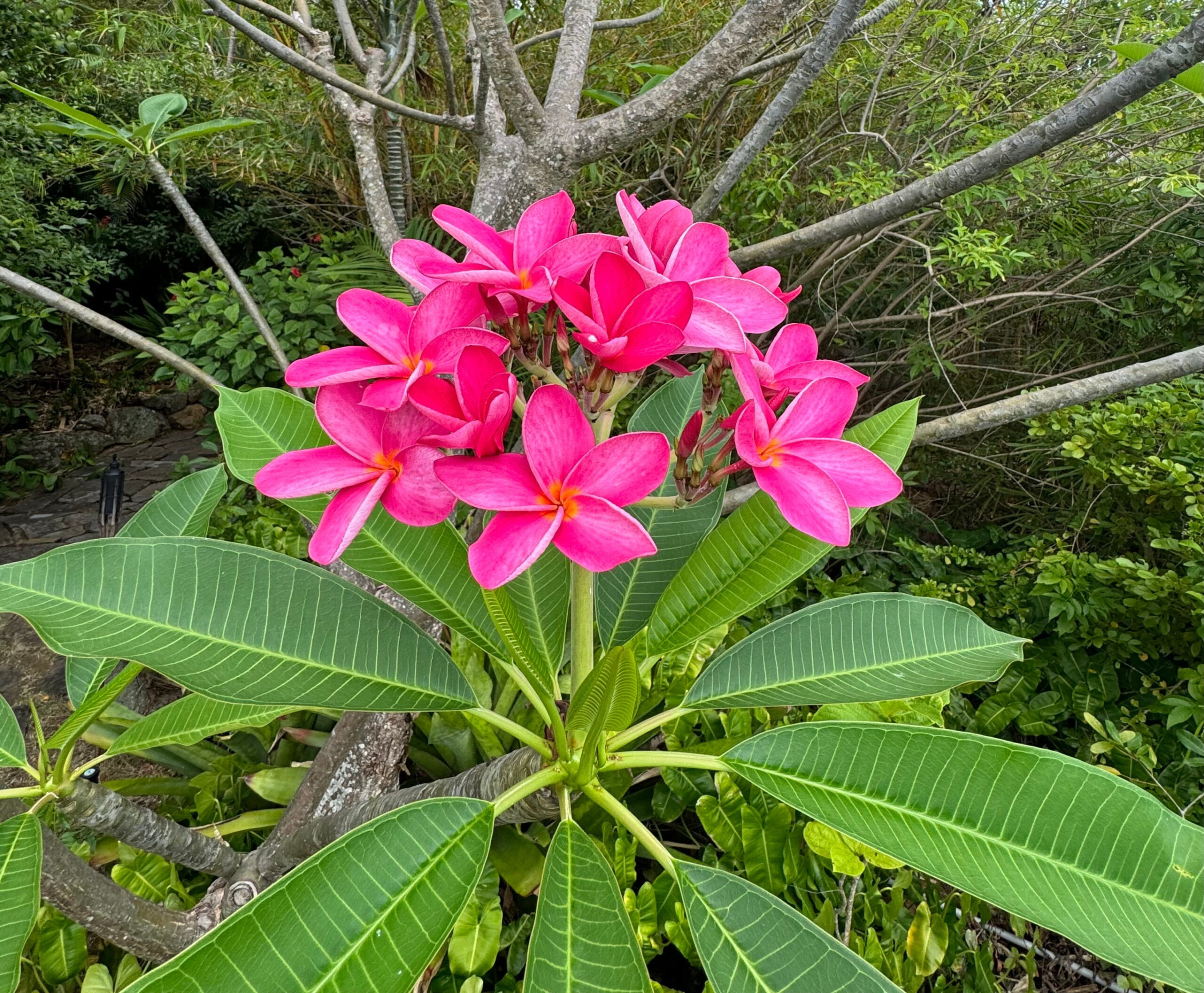
Unveiling the Enchanting World of Plumeria Flowers
Plumeria flowers, also known as frangipani, are truly a sight to behold. Their vibrant colors and intoxicating fragrance can transport you to a tropical paradise with just one whiff. These exotic tree plants are native to Central America, South America, and the Caribbean, but they have now found their way into gardens and landscapes all around the world.
The beauty of plumeria flowers lies not only in their appearance but also in their symbolism. In many cultures, these flowers are associated with love, beauty, and new beginnings. They are often used in Hawaiian leis to welcome visitors and celebrate special occasions. In Indian culture, they are used in religious ceremonies and are believed to bring good fortune.
Growing and caring for plumeria plants is a rewarding experience that allows you to bring a touch of the tropics into your own backyard. These plants are surprisingly easy to grow, even for beginners, as long as you provide them with the right conditions and care.
Plumeria plants require plenty of sunlight to thrive, so make sure to plant them in a spot that receives at least six hours of direct sunlight each day. They also need well-draining soil to prevent root rot, so consider adding sand or perlite to your soil mix to improve drainage.
Watering is another important aspect of caring for plumeria plants. While these plants are drought-tolerant once established, they do require regular watering during the growing season to encourage blooming. However, be sure not to overwater them, as this can lead to root rot. Allow the soil to dry out between waterings to prevent this issue.
Fertilizing your plumeria plants is essential for promoting healthy growth and abundant blooms. Use a balanced fertilizer with a higher phosphorus content to encourage flowering. Apply the fertilizer every two to four weeks during the growing season, but be sure to follow the manufacturer’s instructions for the best results.
Pruning is another important aspect of caring for plumeria plants. Regular pruning can help promote branching and create a more bushy, compact plant. Prune your plumeria in the late winter or early spring before new growth begins. Remove any dead or diseased branches, as well as any that are crossing or rubbing against each other.
One of the most magical moments in caring for plumeria plants is when they finally bloom. The flowers can range in color from white and yellow to pink, red, and even multi-colored varieties. Their fragrance is simply intoxicating, with a sweet, tropical scent that can fill your garden with joy.
Whether you are a seasoned gardener or a beginner looking to try your hand at growing something exotic, plumeria plants are a wonderful choice. Their beauty, fragrance, and symbolism make them a truly enchanting addition to any garden or landscape. So why not unleash your inner botanist and dive into the enchanting world of plumeria flowers today?
Nurturing Your Plumeria Plant to Blossoming Perfection
Plumeria plants, also known as frangipani, are a tropical tree known for their beautiful, fragrant flowers. These exotic plants are a favorite among gardeners for their stunning blooms and easy care requirements. If you’re looking to grow and care for a plumeria plant, there are a few key steps you’ll need to follow to ensure your tree blossoms to perfection.
First and foremost, it’s important to choose the right location for your plumeria plant. These trees thrive in warm, tropical climates and require plenty of sunlight to grow and bloom. Choose a spot in your garden that receives at least six hours of direct sunlight each day. Plumeria plants also prefer well-draining soil, so be sure to plant them in a location where water won’t pool around the roots.
When it comes to watering your plumeria plant, it’s essential to strike the right balance. These trees prefer to be watered thoroughly but infrequently. Allow the soil to dry out between waterings to prevent root rot. During the growing season, water your plumeria plant once a week, and reduce watering during the winter months when the tree is dormant.
Fertilizing your plumeria plant is also key to helping it blossom to perfection. Use a high-phosphorus fertilizer, such as a 10-30-10 blend, to promote healthy blooming. Apply the fertilizer every two to three weeks during the growing season, but be sure to follow the manufacturer’s instructions for the best results. Avoid over-fertilizing, as this can lead to nutrient imbalances and stunted growth.
Pruning your plumeria plant is another important aspect of caring for these exotic trees. Pruning helps promote new growth and encourages the plant to produce more flowers. You can prune your plumeria plant in the late winter or early spring before new growth appears. Use sharp, clean pruning shears to remove any dead or damaged branches, as well as any branches that are crossing or rubbing against each other.
Another key aspect of nurturing your plumeria plant is protecting it from pests and diseases. Keep an eye out for common plumeria pests, such as spider mites, aphids, and mealybugs. You can treat these pests with insecticidal soap or neem oil, but be sure to follow the instructions carefully to avoid harming your plant. Additionally, be on the lookout for signs of diseases such as powdery mildew or leaf spot, and treat them promptly to prevent spread.
In addition to proper care and maintenance, plumeria plants can benefit from occasional repotting. Repotting your plumeria plant every two to three years can help refresh the soil and provide the plant with more space to grow. Choose a pot that is slightly larger than the current one, and use a well-draining potting mix to prevent waterlogged soil.
Overall, nurturing your plumeria plant to blossoming perfection requires a combination of proper care, attention to detail, and a little bit of patience. By following these tips and guidelines, you can enjoy the beauty of your plumeria tree as it blooms into a stunning display of colorful flowers. Happy gardening!