Planting the Seeds: A Step-by-Step Guide
Welcome to the wonderful world of broccoli gardening! If you’ve ever dreamed of growing your own delicious and nutritious broccoli, you’ve come to the right place. In this comprehensive guide, we will take you through the process of planting broccoli seeds step by step, from start to finish.
To begin, you’ll need to gather your supplies. Make sure you have a packet of broccoli seeds, a seed starting tray or pots, seed starting mix, a spray bottle for watering, and a sunny spot with good drainage for your plants to thrive. Once you have everything you need, it’s time to get started.
First, fill your seed starting tray or pots with the seed starting mix, making sure to leave about half an inch of space at the top. Moisten the mix with water using the spray bottle, making sure it is damp but not waterlogged. This will create the perfect environment for your seeds to germinate.
Next, it’s time to plant the seeds. Place 2-3 seeds in each cell of the seed starting tray or pot, pressing them lightly into the soil. Cover the seeds with a thin layer of soil and mist them with water using the spray bottle. Keep the soil consistently moist but not soggy, as broccoli seeds need a constant level of moisture to germinate.
Now, it’s time to provide the perfect conditions for your seeds to sprout. Place the seed starting tray or pots in a warm, sunny spot, ideally with temperatures between 70-80 degrees Fahrenheit. You can also cover the tray with a plastic dome or plastic wrap to create a mini greenhouse effect, helping to retain moisture and heat.
Be patient, as germination can take anywhere from 5-10 days. Once you see tiny green sprouts emerging from the soil, you can remove the plastic cover and continue to water the seedlings regularly. As they grow, make sure to keep them well-watered and provide them with plenty of sunlight to encourage strong, healthy growth.
After 4-6 weeks, your broccoli seedlings will be ready to be transplanted into the garden. Choose a spot with rich, well-draining soil and plenty of sunlight for your plants to thrive. Gently remove the seedlings from the seed starting tray or pot, being careful not to damage the delicate roots.
Dig a small hole in the soil and carefully place the seedling in, making sure to cover the roots completely. Water the newly transplanted seedlings thoroughly to help them settle into their new home. Keep them well-watered and provide them with plenty of sunlight as they continue to grow and mature.
And there you have it – a step-by-step guide to planting broccoli seeds and growing your own delicious broccoli plants from start to finish. With a little patience and care, you’ll be rewarded with a bountiful harvest of fresh, homegrown broccoli to enjoy in no time. Happy gardening!
Nurturing Your Broccoli Plants to Maturity
Congratulations on successfully planting your broccoli seeds! Now that your seeds have sprouted and your broccoli plants are growing, it’s time to focus on nurturing them to maturity. In this guide, we will explore the essential steps and techniques to ensure your broccoli plants thrive and produce a bountiful harvest.
1. Watering
Proper watering is crucial for the healthy growth of broccoli plants. Broccoli plants require consistent moisture to develop strong roots and produce large, firm heads. Water your plants regularly, ensuring the soil is evenly moist but not waterlogged. Aim to water your broccoli plants in the morning to allow foliage to dry before evening, reducing the risk of disease.
2. Fertilizing
Broccoli plants are heavy feeders and require regular fertilization to thrive. Start by amending the soil with compost before planting your broccoli seeds. Once your plants have established, feed them with a balanced fertilizer every two to three weeks. Avoid over-fertilizing, as this can lead to excessive leaf growth at the expense of broccoli head development.
3. Mulching
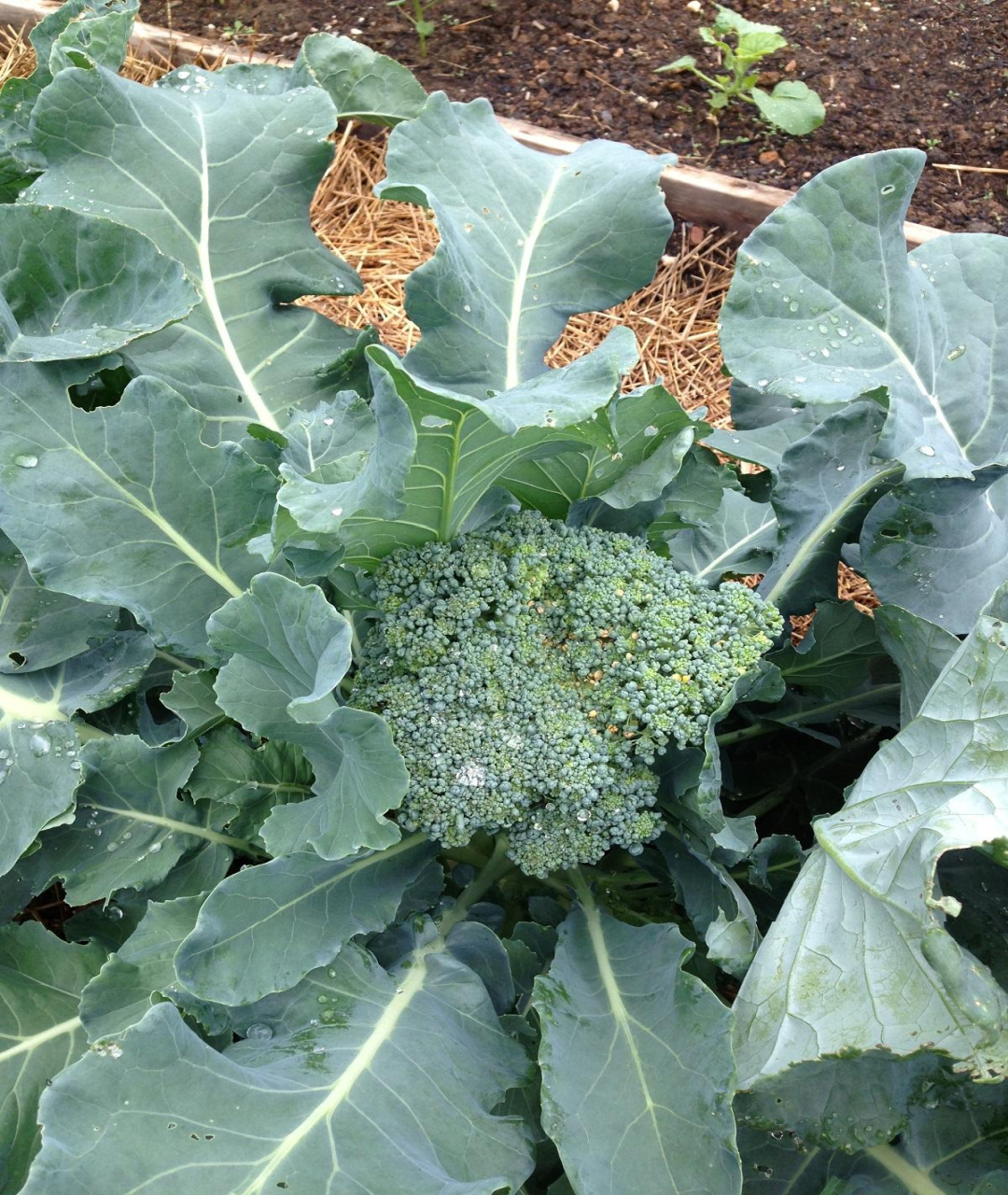
Mulching is a great way to retain moisture, suppress weeds, and regulate soil temperature around your broccoli plants. Apply a layer of organic mulch, such as straw or shredded leaves, around the base of your plants. Mulch will also help prevent soil compaction and erosion, ensuring optimal growing conditions for your broccoli.
4. Pruning
Regular pruning is essential for promoting healthy growth and maximizing broccoli head production. Remove any yellowing or damaged leaves to redirect energy towards developing strong, compact heads. Additionally, prune any side shoots or suckers that may compete with the main head for nutrients and space.
5. Pest and Disease Management
Broccoli plants are susceptible to a variety of pests and diseases that can hinder growth and reduce yields. Keep a close eye on your plants for signs of common pests, such as aphids, cabbage worms, and flea beetles. Use organic pest control methods, such as handpicking and neem oil, to manage infestations. Prevent disease by providing adequate air circulation, avoiding overhead watering, and practicing crop rotation.
6. Supporting Your Plants
As your broccoli plants grow taller and develop heavy heads, they may require additional support to prevent bending or breaking. Install stakes or cages around your plants to provide structural support and keep heads off the ground. This will also help improve air circulation and reduce the risk of disease.
7. Harvesting
Knowing when to harvest your broccoli is crucial for ensuring optimal flavor and texture. Harvest broccoli heads when they are firm, compact, and deep green in color. Use a sharp knife to cut the main head at an angle, leaving several inches of stem attached. Continue to harvest side shoots for an extended harvest period.
By following these essential steps and techniques, you can nurture your broccoli plants to maturity and enjoy a successful harvest. Remember to provide consistent care, monitor plant health, and address any issues promptly to ensure the best results. Happy gardening!