Unveiling the Delicate Charm of Cerastium Tomentosum
Cerastium tomentosum, also known as snow-in-summer, is a delightful perennial plant that adds a touch of elegance to any garden. With its silvery-gray foliage and delicate white flowers, this plant is sure to capture the hearts of any gardening enthusiast. In this guide, we will explore the beauty of Cerastium tomentosum and provide tips on how to successfully grow and care for this lovely plant.
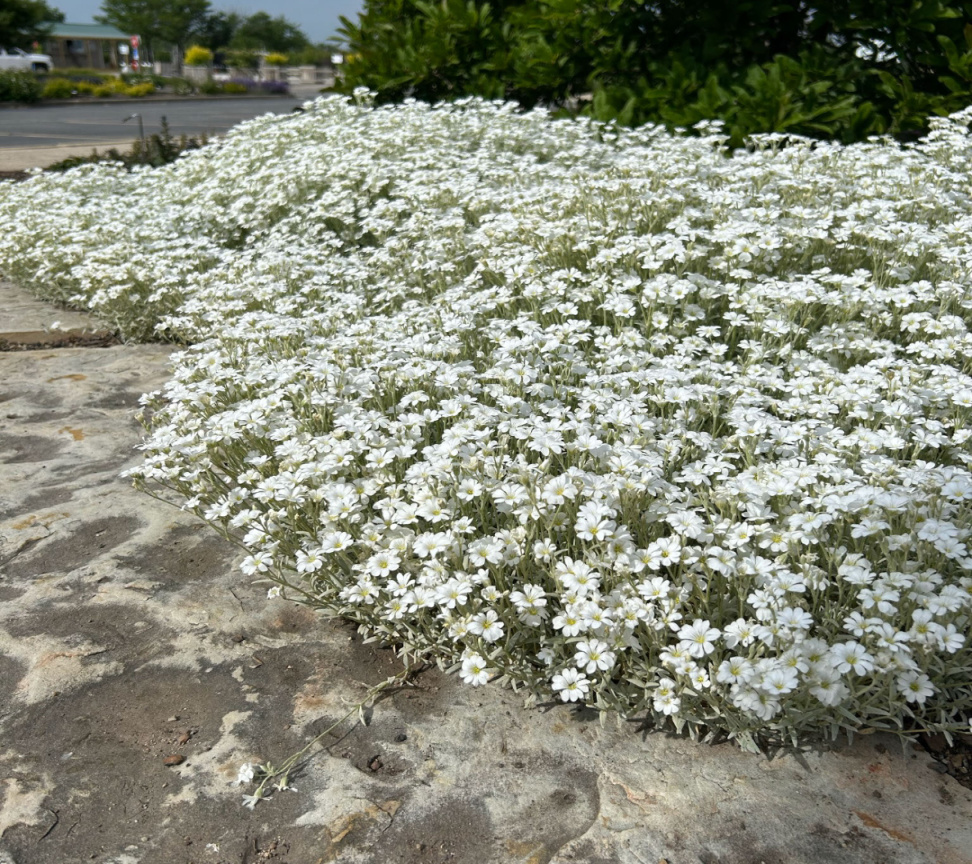
One of the most striking features of Cerastium tomentosum is its silvery-gray foliage, which creates a beautiful contrast against the greenery of the garden. The leaves are small and narrow, with a soft, fuzzy texture that adds to the plant’s charm. In the spring and early summer, Cerastium tomentosum produces an abundance of small, star-shaped white flowers that cover the plant in a blanket of delicate blooms. The combination of the silver foliage and white flowers creates a stunning display that is sure to brighten up any garden.
Cerastium tomentosum is a low-growing plant, reaching only about six inches in height, making it an ideal choice for ground cover or edging in flower beds. It is also well-suited for rock gardens, where its silvery foliage can complement the natural stone elements. This plant thrives in full sun and well-drained soil, making it a great choice for gardeners looking for a low-maintenance plant that will thrive in a variety of conditions.
When it comes to growing Cerastium tomentosum, there are a few key tips to keep in mind. First and foremost, it is important to plant this species in a location that receives full sun for the majority of the day. This will help the plant to thrive and produce an abundance of flowers. Additionally, Cerastium tomentosum prefers well-drained soil, so be sure to amend heavy clay soil with compost or sand to improve drainage.
In terms of care, Cerastium tomentosum is a relatively low-maintenance plant. It is drought-tolerant once established, so it does not require frequent watering. However, be sure to water the plant regularly during periods of prolonged drought to keep it healthy and thriving. Additionally, it is a good idea to deadhead the spent flowers to promote continuous blooming throughout the growing season.
One of the best things about Cerastium tomentosum is its ability to attract pollinators to the garden. Bees, butterflies, and other beneficial insects are drawn to the delicate white flowers, making this plant a valuable addition to any pollinator garden. By planting Cerastium tomentosum in your garden, you can help support local pollinator populations and create a more biodiverse and sustainable environment.
In conclusion, Cerastium tomentosum is a beautiful and charming plant that is sure to enhance the beauty of any garden. With its silvery foliage and delicate white flowers, this plant is a standout choice for gardeners looking to add a touch of elegance to their outdoor space. By following the tips outlined in this guide, you can successfully grow and care for Cerastium tomentosum and enjoy its beauty for years to come.
Step-by-Step Guide to Cultivating Snow-in-Summer Plants
Cerastium tomentosum, also known as Snow-in-Summer, is a beautiful and delicate plant that can bring a touch of elegance to any garden. With its silvery leaves and tiny white flowers that bloom in the summer, this plant is a favorite among gardeners looking to add a pop of color and texture to their outdoor spaces. If you’re interested in growing Snow-in-Summer plants in your own garden, here is a step-by-step guide to help you get started.
1. Choose the Right Location: Snow-in-Summer plants thrive in full sun and well-drained soil. Make sure to pick a spot in your garden that receives at least six hours of sunlight per day. These plants do not do well in soggy conditions, so be sure to plant them in an area where water can easily drain away.
2. Prepare the Soil: Before planting your Snow-in-Summer, make sure to prepare the soil properly. These plants prefer sandy or gravelly soil that is slightly alkaline. If your soil is too heavy or clay-like, consider adding sand or gravel to improve drainage. You can also amend the soil with lime to increase the alkalinity if needed.
3. Plant Carefully: When planting Snow-in-Summer, be sure to space the plants about 12 inches apart to allow for proper air circulation. Dig a hole slightly larger than the root ball of the plant and gently place it in the hole. Backfill with soil and water thoroughly to help the plant settle in its new home.
4. Watering: While Snow-in-Summer plants are drought-tolerant once established, they still need regular watering during the first growing season. Water deeply once a week, making sure to soak the root zone. After the first year, you can reduce watering to once every two weeks, depending on rainfall.
5. Fertilizing: Snow-in-Summer plants do not require much fertilization. You can apply a balanced fertilizer in the spring to help promote healthy growth, but be careful not to over-fertilize as this can lead to leggy growth and fewer flowers.
6. Pruning: To keep your Snow-in-Summer plants looking neat and tidy, you can prune them back after the flowering period is over. Cut back any dead or leggy stems to encourage new growth and a more compact shape. You can also trim the plant to maintain its desired size and shape.
7. Pest and Disease Control: Snow-in-Summer plants are relatively pest and disease-resistant, but they can still fall victim to common garden pests such as aphids or spider mites. Keep an eye out for any signs of infestation and treat them promptly with insecticidal soap or neem oil.
8. Propagation: If you want to expand your collection of Snow-in-Summer plants, you can easily propagate them by division or by taking stem cuttings. Divide the plant in the spring or fall, making sure each division has roots attached. You can also take stem cuttings in the summer and root them in a well-draining soil mix.
By following these simple steps, you can successfully cultivate Snow-in-Summer plants in your garden and enjoy their beauty year after year. Whether you choose to plant them in a rock garden, along a border, or in containers, Snow-in-Summer plants are sure to add a touch of elegance and charm to your outdoor space. So, roll up your sleeves, grab your gardening tools, and get ready to discover the beauty of Cerastium tomentosum in your own backyard.