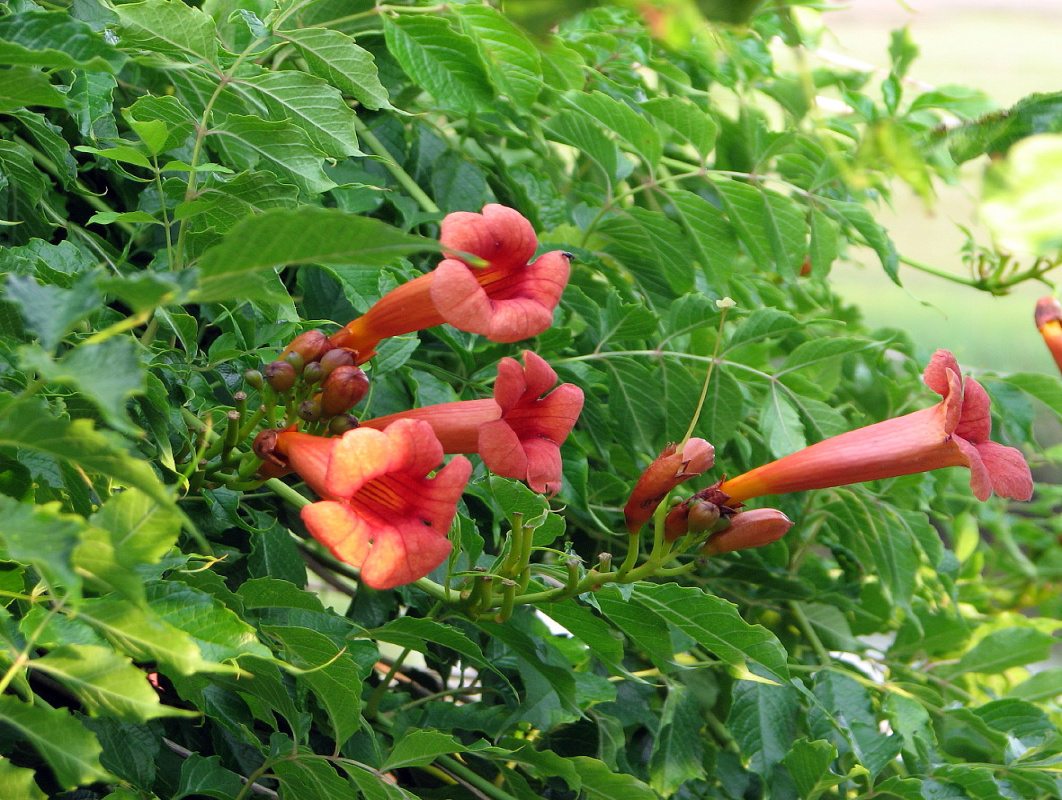
Behold the Campsis Plant: Nature’s Showstopper!
The Campsis plant, also known as the trumpet vine, is truly nature’s showstopper. With its stunning trumpet-shaped flowers and vibrant colors, this plant is sure to catch the eye of anyone who passes by. Whether you’re looking to add a pop of color to your garden or create a beautiful focal point in your landscape, the Campsis plant is the perfect choice.
One of the most striking features of the Campsis plant is its flowers. These trumpet-shaped blooms come in shades of red, orange, and yellow, creating a striking contrast against the green foliage. The flowers are also known for attracting hummingbirds, making them a favorite among bird watchers and nature enthusiasts.
In addition to its beautiful flowers, the Campsis plant is also a fast-growing vine, making it perfect for creating a lush, green backdrop in your garden. Whether you’re looking to cover a fence, trellis, or pergola, the Campsis plant will quickly grow to fill the space with its vibrant foliage.
But growing and caring for Campsis plants isn’t just about their stunning beauty – it’s also about ensuring they thrive in their environment. Here are a few tips to help you grow and care for your trumpet vines:
1. Choose the Right Location: Campsis plants thrive in full sun, so be sure to plant them in a spot that receives at least 6-8 hours of sunlight per day. They also prefer well-drained soil, so be sure to plant them in an area with good drainage.
2. Provide Adequate Support: As a fast-growing vine, Campsis plants will need some sort of support structure to climb on. Consider installing a trellis, arbor, or pergola for the vines to grow on, or plant them near a fence or wall that they can climb.
3. Water Regularly: While Campsis plants are drought-tolerant once established, they will need regular watering during the growing season. Be sure to water them deeply once a week, especially during hot, dry periods.
4. Prune Annually: To keep your Campsis plant looking its best, be sure to prune it annually in late winter or early spring. This will help promote new growth and ensure that the plant remains healthy and vibrant.
5. Watch for Pests and Diseases: While Campsis plants are relatively pest and disease-resistant, they can still be susceptible to issues like aphids, scale insects, and powdery mildew. Keep an eye out for any signs of pests or diseases and take action promptly to prevent them from spreading.
Overall, the Campsis plant is a stunning addition to any garden or landscape. With its vibrant flowers, fast-growing vines, and easy care requirements, it’s no wonder that this plant is considered nature’s showstopper. So go ahead, behold the beauty of the Campsis plant and start growing and caring for your very own trumpet vines today!
Cultivating Trumpet Vines: The Ultimate Care Guide
The Campsis plant, commonly known as the trumpet vine, is a stunning addition to any garden or landscape. With its vibrant trumpet-shaped flowers and lush green foliage, this plant is sure to turn heads and create a colorful focal point in your outdoor space.
Cultivating trumpet vines may seem like a daunting task, but with the right care and attention, you can enjoy the beauty of these plants for years to come. In this ultimate care guide, we will explore the ins and outs of growing and caring for trumpet vines to help you make the most of this stunning plant.
One of the most important aspects of caring for trumpet vines is choosing the right location. These plants thrive in full sun, so be sure to plant them in an area that receives at least 6-8 hours of direct sunlight per day. Additionally, trumpet vines are known for their vigorous growth habits, so be sure to provide them with plenty of room to spread out and climb.
When it comes to soil, trumpet vines are not too picky. They can tolerate a wide range of soil types, as long as it is well-draining. However, they do prefer slightly acidic soil, so adding a bit of compost or peat moss to the planting area can help create the ideal growing conditions for your trumpet vine.
Watering is another key aspect of caring for trumpet vines. These plants prefer consistently moist soil, especially during the hot summer months. Be sure to water your trumpet vine regularly, especially during dry spells, to help keep it healthy and thriving.
Fertilizing your trumpet vine is also important for optimal growth and blooming. A balanced fertilizer applied in the spring can help provide the nutrients your plant needs to produce plenty of flowers throughout the growing season. Be sure to follow the instructions on the fertilizer package to avoid overfeeding your trumpet vine.
Pruning is another essential task when it comes to caring for trumpet vines. These plants can be quite aggressive growers, so regular pruning is necessary to keep them in check and prevent them from taking over your garden. Prune your trumpet vine in the late winter or early spring before new growth begins to remove any dead or damaged branches and shape the plant to your liking.
In addition to proper care and maintenance, there are a few pests and diseases to watch out for when growing trumpet vines. Aphids, spider mites, and scale insects are common pests that can infest trumpet vines and cause damage to the plant. Keep an eye out for any signs of pest infestation and treat them promptly to prevent further damage.
As for diseases, trumpet vines can be susceptible to leaf spot, powdery mildew, and root rot. To prevent these issues, be sure to provide adequate air circulation around your plant, avoid overhead watering, and remove any infected leaves or branches as soon as possible.
In conclusion, cultivating trumpet vines can be a rewarding experience for any gardener. With the right care and attention to detail, you can enjoy the stunning beauty of these plants in your garden for years to come. So go ahead, plant a trumpet vine today and watch as it climbs and blooms, adding a touch of beauty and elegance to your outdoor space.