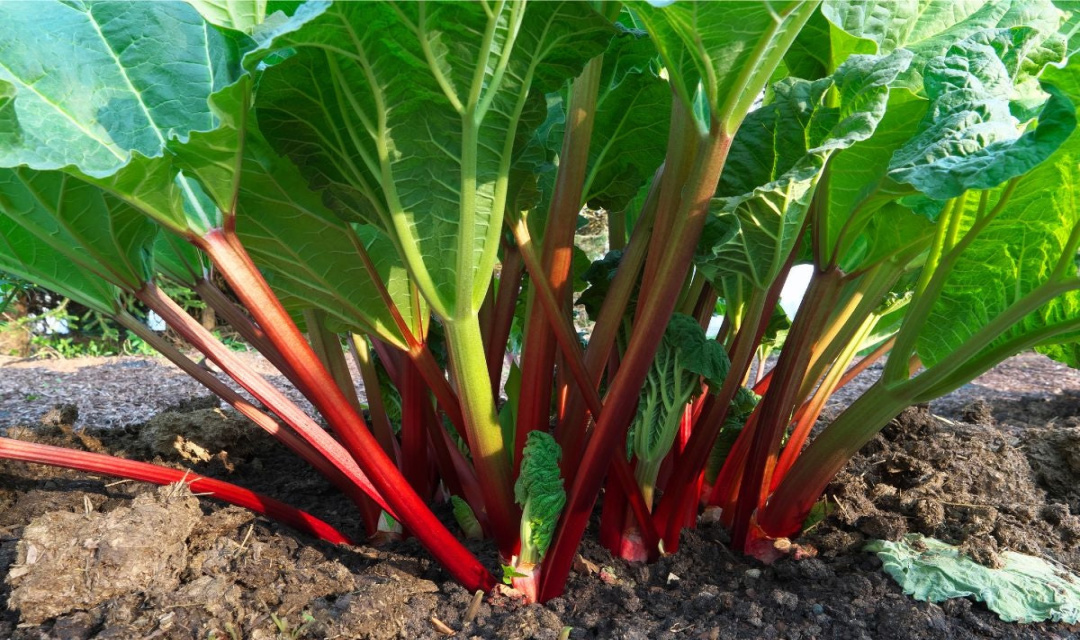
Unveiling the Secrets of Rhubarb: A Delightful Journey
Rhubarb, with its vibrant red stalks and tangy flavor, is a versatile plant that has been delighting taste buds for centuries. From pies to jams to cocktails, this humble plant can be used in a variety of ways to add a burst of flavor to your dishes. But beyond its culinary uses, rhubarb also has a fascinating history and a number of health benefits that make it a truly remarkable plant to grow and enjoy.
One of the first secrets to unlocking the full potential of rhubarb is to understand its origins. Rhubarb is believed to have originated in China, where it was used for medicinal purposes as far back as 2700 BC. It wasn’t until the 18th century that rhubarb made its way to Europe, where it quickly became a popular ingredient in desserts and drinks.
Growing rhubarb in your own garden can be a delightful journey, as this hardy plant is relatively easy to care for. Rhubarb thrives in cool climates and can be planted in early spring or late fall. It prefers rich, well-drained soil and plenty of sunlight, so be sure to choose a sunny spot in your garden to plant your rhubarb.
Once planted, rhubarb requires minimal maintenance. Regular watering and occasional fertilizing will help your plant grow healthy and strong. Rhubarb can be harvested in its second year of growth, and you can expect to have a bountiful crop of stalks each year thereafter.
But the real magic of rhubarb lies in its culinary uses. From classic rhubarb pies to tangy rhubarb jams, there are endless ways to incorporate this versatile plant into your cooking. Rhubarb’s tart flavor pairs well with sweet fruits like strawberries and apples, making it a perfect ingredient for jams, sauces, and desserts.
For a refreshing twist, try adding rhubarb to cocktails and mocktails. Rhubarb syrup can be used to sweeten drinks and add a tangy kick, while rhubarb-infused vodka makes a delicious base for cocktails. The possibilities are truly endless when it comes to using rhubarb in your drinks.
In addition to its culinary uses, rhubarb also has a number of health benefits. Rhubarb is rich in vitamins and minerals, including vitamin C, vitamin K, and potassium. It is also a good source of fiber, which can aid in digestion and promote overall gut health.
Rhubarb is also known for its antioxidant properties, which can help protect against cell damage and reduce inflammation in the body. Studies have shown that rhubarb may have potential health benefits, such as lowering cholesterol levels and improving heart health.
So, whether you’re a seasoned gardener or a novice cook, exploring the tangy world of rhubarb is sure to be a delightful journey. From learning about its fascinating history to growing your own plant to experimenting with new recipes, rhubarb offers a wealth of possibilities for anyone looking to add a burst of flavor to their dishes. So why not embark on your own rhubarb adventure today and discover the joy of this versatile plant?
From Garden to Table: Embracing the Tart Goodness of Rhubarb
Rhubarb, with its vibrant red stalks and tangy flavor, is a versatile plant that has been used in cooking and baking for centuries. From sweet pies to savory sauces, rhubarb adds a unique and delicious twist to any dish. In this guide, we will explore the wonderful world of rhubarb, from growing your own plant to using it in a variety of dishes.
Growing rhubarb is a relatively easy process, making it a popular choice for home gardeners. Rhubarb plants thrive in cool climates and prefer well-drained soil with plenty of organic matter. They can be planted in the spring or fall, and will continue to produce stalks for many years if properly cared for. To grow rhubarb, simply plant a crown (the root of the plant) in a sunny spot in your garden and water regularly. Be sure to harvest the stalks by gently pulling them from the base of the plant, being careful not to damage the crown.
Once you have successfully grown your rhubarb plant, it’s time to start using it in the kitchen. Rhubarb is often paired with sweet fruits like strawberries or apples to balance out its tart flavor. It can be used in a variety of dishes, from pies and crisps to jams and sauces. One popular way to enjoy rhubarb is in a classic strawberry-rhubarb pie, where the tartness of the rhubarb is complemented by the sweetness of the strawberries. Rhubarb can also be cooked down into a compote or sauce, which can be used as a topping for ice cream or yogurt, or as a filling for cakes and pastries.
In addition to its culinary uses, rhubarb also has a number of health benefits. Rhubarb is rich in vitamins, minerals, and antioxidants, making it a nutritious addition to any diet. It is also high in fiber, which can aid in digestion and promote overall gut health. Rhubarb has also been used in traditional medicine for its anti-inflammatory properties and ability to lower cholesterol levels. So not only does rhubarb taste delicious, but it is also good for you!
If you’re looking for a fun and unique way to incorporate rhubarb into your cooking, consider trying out some savory dishes. Rhubarb can be used in chutneys, salsas, and marinades to add a tangy kick to meats and vegetables. It can also be roasted or grilled to bring out its natural sweetness and caramelized flavor. The possibilities are endless when it comes to cooking with rhubarb, so don’t be afraid to get creative in the kitchen.
In conclusion, rhubarb is a versatile and delicious plant that can add a unique twist to any dish. From growing your own plant to using it in sweet and savory dishes, there are countless ways to enjoy the tart goodness of rhubarb. So why not plant a rhubarb crown in your garden and start exploring the tangy world of this versatile plant today?