Discover the Enchanting World of Cynara Cardunculus
Nestled in gardens around the world, Cynara Cardunculus, also known as Cardoon, is a captivating plant that enchants all who lay eyes on it. With its majestic beauty and unique characteristics, this stunning plant is a must-have for any garden enthusiast. Let’s take a closer look at the enchanting world of Cynara Cardunculus and discover why it is a favorite among gardeners.
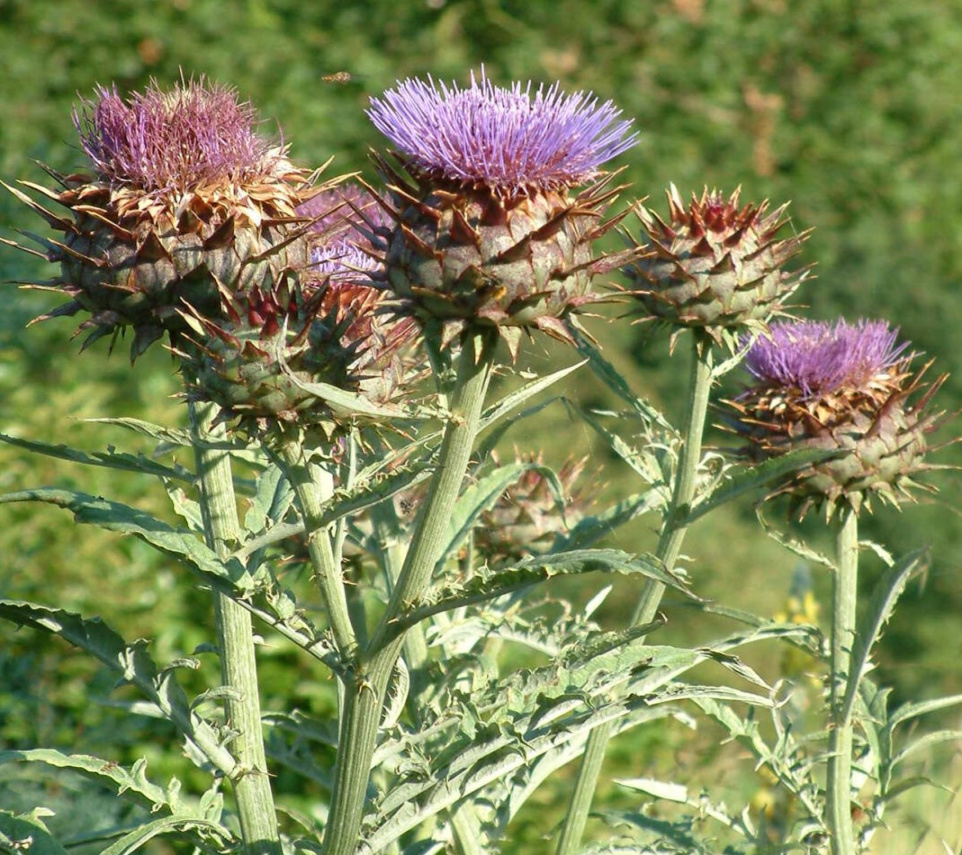
Native to the Mediterranean region, Cynara Cardunculus is a member of the sunflower family and closely related to the artichoke. Its striking appearance features large, silvery-green leaves with intricate, deeply cut edges that resemble thistles. In the summertime, tall, sturdy stems emerge, bearing clusters of purple or blue thistle-like flowers that attract bees and butterflies to the garden.
One of the most enchanting qualities of Cynara Cardunculus is its versatility in the garden. Whether grown in a traditional garden bed, a container, or as a striking focal point in a mixed border, this plant adds a touch of elegance and drama to any space. Its architectural form and silvery foliage create a stunning contrast against other plants, making it a standout feature in any garden design.
Caring for Cynara Cardunculus is relatively easy, as long as you provide it with the right growing conditions. This plant thrives in full sun and well-drained soil, so be sure to choose a sunny spot in your garden with good drainage. While Cynara Cardunculus is drought tolerant once established, regular watering during the growing season will help keep it healthy and thriving.
Pruning is an essential aspect of caring for Cynara Cardunculus, as it helps maintain its shape and encourages new growth. In the spring, remove any dead or damaged leaves and flowers to promote healthy growth throughout the season. Additionally, cutting back the stems after flowering can help prevent the plant from becoming too leggy and unruly.
In addition to its stunning appearance, Cynara Cardunculus is also a favorite among gardeners for its edible qualities. The tender, young stems of this plant can be harvested and enjoyed as a delicious vegetable, similar to artichokes. Whether sautéed, roasted, or added to soups and stews, the unique flavor of Cynara Cardunculus adds a gourmet touch to any dish.
For those looking to attract pollinators to their garden, Cynara Cardunculus is a magnet for bees, butterflies, and other beneficial insects. The nectar-rich flowers provide a valuable food source for these pollinators, helping to support a healthy ecosystem in your garden. By growing Cynara Cardunculus, you can not only enjoy its beauty but also contribute to the biodiversity of your outdoor space.
In conclusion, the enchanting world of Cynara Cardunculus offers a plethora of benefits for gardeners of all levels. With its majestic beauty, versatility in the garden, and ease of care, this stunning plant is a must-have for anyone looking to add a touch of elegance and drama to their outdoor space. Whether grown for its ornamental qualities or its edible stems, Cynara Cardunculus is sure to delight and enchant all who encounter its splendor.
Unleash the Splendor: Growing and Caring Tips
Welcome to the magical world of Cynara Cardunculus, where beauty meets elegance in the form of a stunning plant that is sure to captivate your senses. In this guide, we will explore the art of growing and caring for this majestic plant, so you can unleash its splendor in your own garden.
Growing Cynara Cardunculus is a rewarding experience that requires some attention to detail. To start, choose a sunny spot in your garden with well-draining soil. This plant thrives in full sunlight, so make sure it gets at least six hours of direct sunlight each day. Plant your Cynara Cardunculus in early spring, after the last frost has passed, to give it a head start on the growing season.
When it comes to caring for your Cynara Cardunculus, it’s important to keep the soil moist but not waterlogged. Water your plant deeply once a week, allowing the water to penetrate the roots. Mulching around the base of the plant can help retain moisture and suppress weeds. Fertilize your Cynara Cardunculus with a balanced fertilizer in the spring to promote healthy growth.
One of the most striking features of Cynara Cardunculus is its large, silvery-blue leaves that can grow up to two feet long. To keep your plant looking its best, remove any dead or damaged leaves regularly. You can also trim back the flower stalks after they have finished blooming to encourage new growth.
Speaking of blooms, Cynara Cardunculus produces stunning purple thistle-like flowers that are a magnet for bees and butterflies. These flowers can reach up to six inches in diameter and add a touch of elegance to any garden. To prolong the blooming period, deadhead the spent flowers as soon as they fade.
In addition to its beauty, Cynara Cardunculus is also a versatile plant that can be used in a variety of ways. The young leaves and stems are edible and can be cooked like artichokes, while the roots can be used as a substitute for cardoons in recipes. The seeds of Cynara Cardunculus can also be harvested and used for planting or culinary purposes.
As autumn approaches, it’s important to prepare your Cynara Cardunculus for the winter months. Cut back the plant to ground level after the first frost and mulch heavily around the base to protect the roots from freezing temperatures. With proper care, your Cynara Cardunculus will come back stronger and more beautiful than ever in the spring.
In conclusion, Cynara Cardunculus is a truly majestic plant that deserves a place in every garden. By following these growing and caring tips, you can unleash the splendor of this stunning plant and create a beautiful oasis in your own backyard. So go ahead, plant a Cynara Cardunculus today and watch as its beauty unfolds before your eyes.